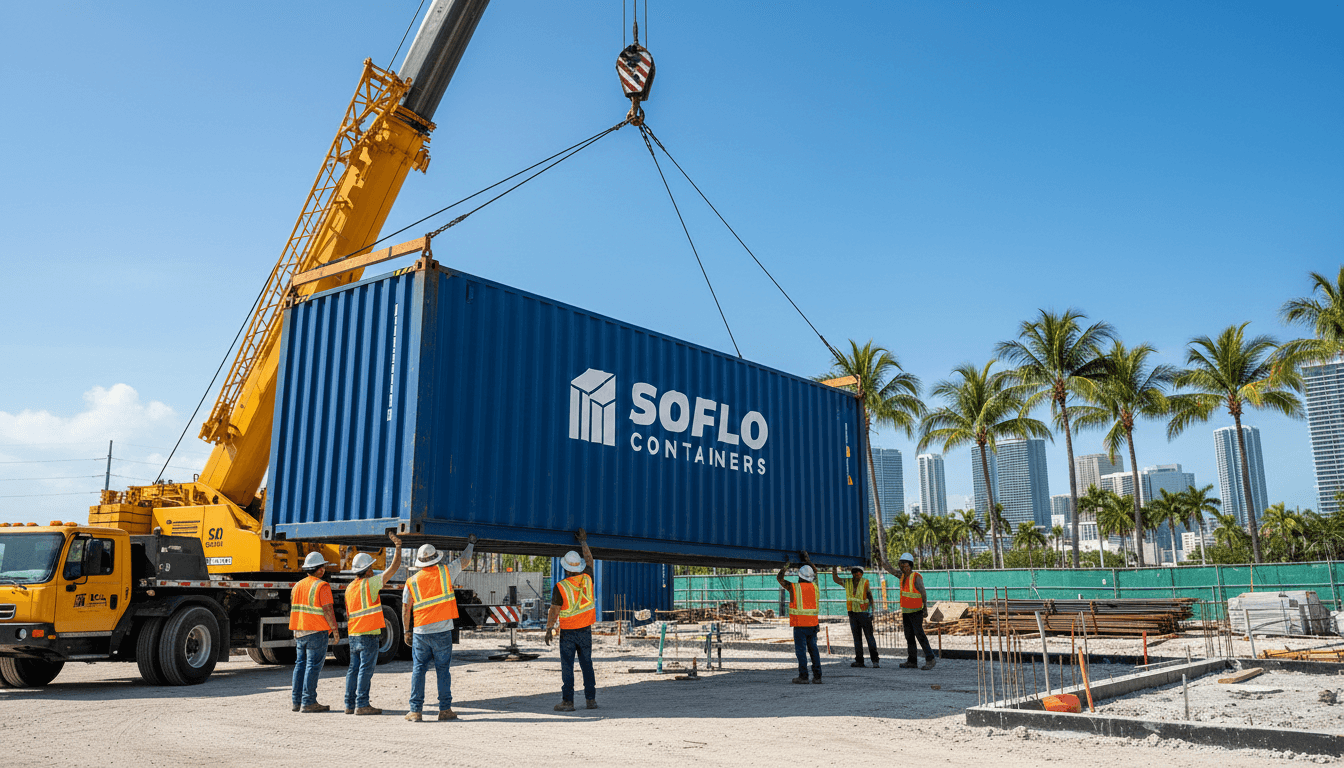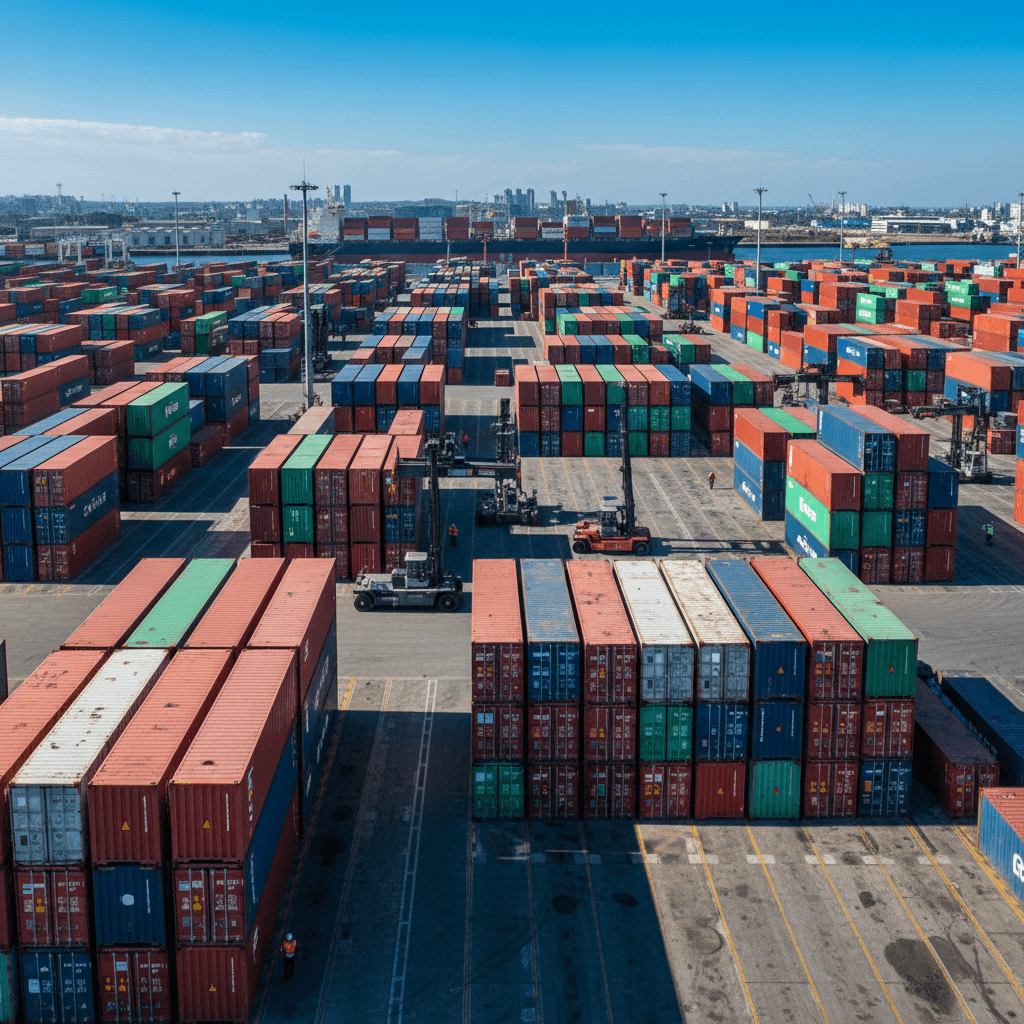
Shipping container repair and certification South Florida involves professional structural maintenance and mandatory CSC inspections to ensure units remain safe for international intermodal transport. Local service providers at major hubs like Port Everglades and Miami offer specialized dry and refrigerated repairs, providing the necessary safety plates required for legal cargo operations. Maintaining these certifications ensures that containers are structurally sound, weather-tight, and compliant with global shipping regulations.
In the high humidity and salty air of South Florida, a small patch of rust on a shipping container is never just a cosmetic issue. For owners and operators across the region, structural degradation can lead to failed inspections, rejected cargo, and costly delays at the port. Maintaining a valid CSC plate is not merely a box to check; it is a critical requirement for safety and international compliance. This guide provides a professional overview of shipping container repair and certification in South Florida. We will examine the specific timeline for inspections, the most common repairs necessitated by our unique climate, and what an inspector expects to see on your unit. By the end, you will understand how to keep your container fleet compliant and operational within the demanding Miami logistics corridor.
Understanding CSC Certification: Why It Matters for Your Business
The International Convention for Safe Containers, or CSC, is a 1972 treaty established to ensure the structural integrity of shipping units during transport and handling. Every container intended for maritime, rail, or truck logistics must display a valid Safety Approval Plate. This stainless steel rectangle, typically riveted to the left door, is far more than a simple identification tag. It serves as a legal attestation that the unit meets specific weight, stacking, and racking standards. Without an active CSC plate, a container is effectively barred from international shipping lanes and major domestic transport networks.
South Florida businesses operating near Port Everglades and the Port of Miami must understand the distinction between a static storage unit and a cargo-worthy asset. While a container utilized solely for ground level storage in a construction yard might only require wind and watertight status, any unit intended for transport must be certified as Cargo Worthy (CW). At Soflo Containers, our professional container remodeling and repair ensures that even modified units maintain the structural soundness required for these rigorous standards. If a container's certification has lapsed, it becomes a liability that shipping lines and port authorities will refuse to handle.
Securing shipping container repair and certification South Florida involves a technical inspection to verify that the understructure, corner castings, and locking mechanisms remain sound. Maintaining these standards is essential for fleet owners who rely on depot management and fleet storage to keep their inventory mobile. If you are unsure about the status of your unit's safety plate or need to verify a recent purchase, contact our South Florida team to evaluate its current structural health and compliance status.
The Inspection Timeline: When to Seek Shipping Container Repair and Certification South Florida
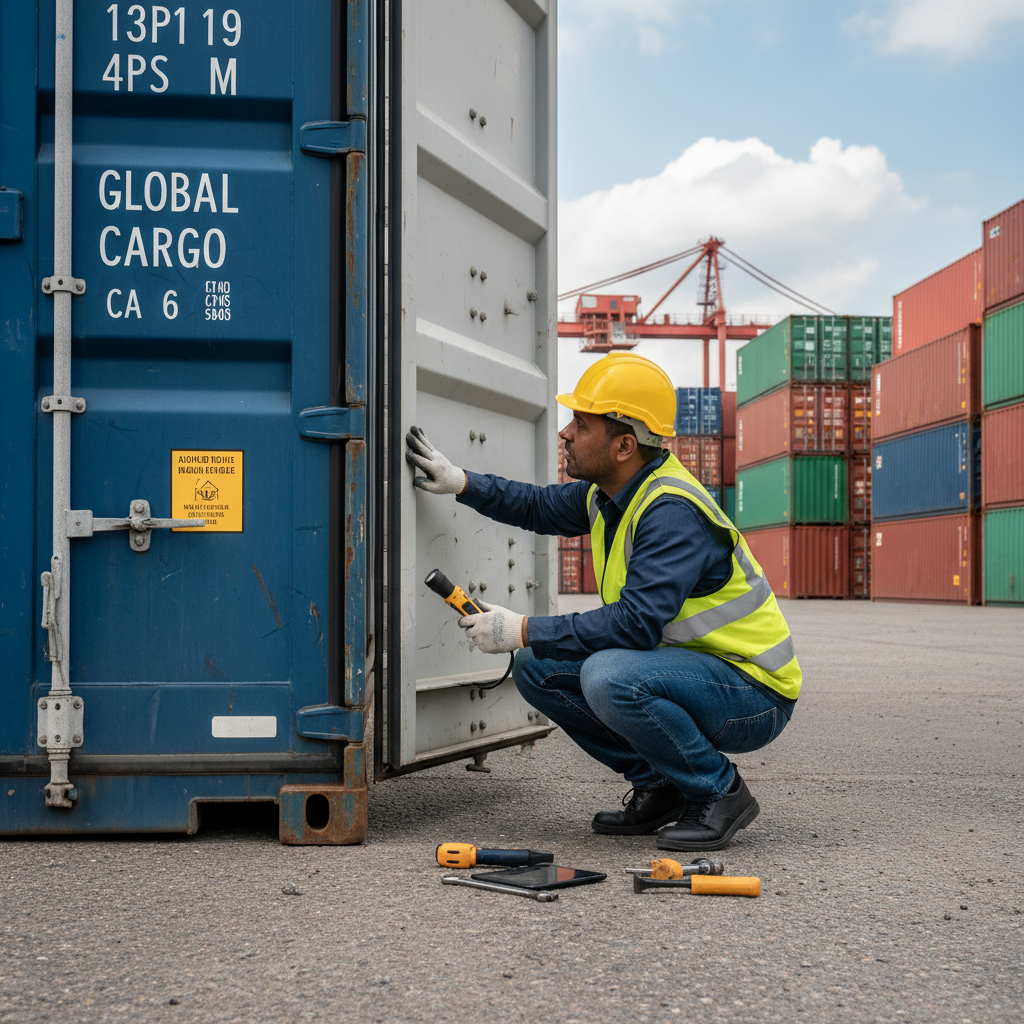
Compliance with international safety standards follows a strict chronological framework based on the date of manufacture. The initial inspection must be completed within five years, or 60 months, of the unit’s production date. After this initial window, the unit transitions into the Periodic Examination Scheme, commonly referred to as PES. Under this scheme, subsequent inspections must occur at intervals no greater than 30 months. The primary objective for these assessments is to confirm Cargo Worthy (CW) status, a grade that guarantees the container is structurally sound enough to be loaded to its maximum gross weight and stacked safely.
Maintaining these timelines is particularly critical for specialized applications in the Miami area. If a unit is being repurposed as a construction office or a modular commercial space, local building departments often require evidence of structural integrity before issuing permits. A current CSC certification serves as a verified baseline for these structural requirements. Engaging in shipping container repair and certification South Florida allows owners to address wear and tear before it compromises the unit’s legal standing. Through professional depot management and fleet storage, owners can systematically track these 30-month intervals to avoid operational delays or permit denials. To verify your current inspection window or schedule a surveyor, contact our South Florida team for a comprehensive evaluation of your inventory.
Common Container Repairs: Addressing the South Florida Climate
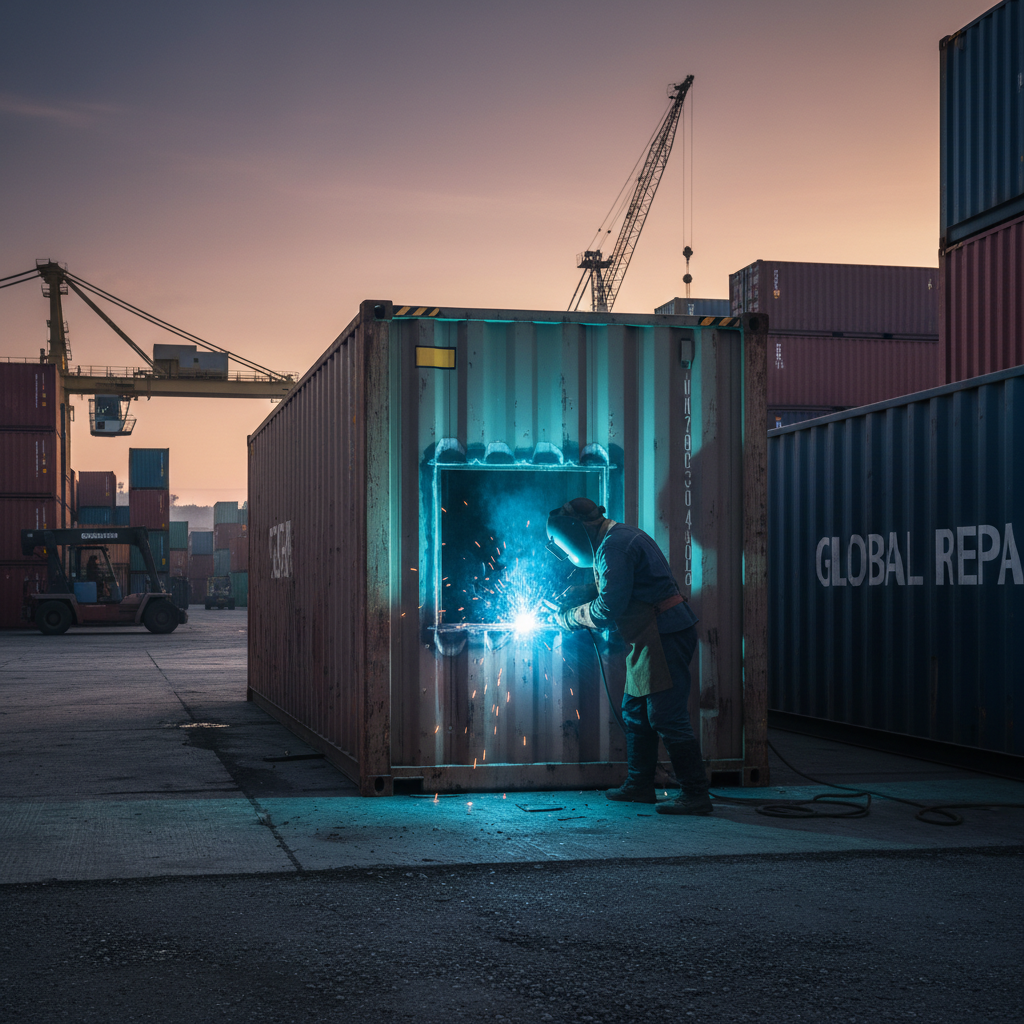
Meeting these certification deadlines requires proactive maintenance, especially given the aggressive environmental conditions in the Miami basin. The relentless salt air and tropical humidity of South Florida create a cycle of rapid oxidation that can quickly compromise even Corten steel. To maintain Cargo Worthy status, owners must address surface rust before it evolves into structural scale. Our process for shipping container repair and certification South Florida typically involves grinding affected areas down to white metal and applying a high-performance, zinc-rich primer. This specialized coating provides a sacrificial layer that prevents the electrolytic process responsible for deep pitting and metal loss.
Beyond the steel itself, the intense Florida sun causes non-metallic components to fail prematurely. High-UV exposure dries out the rubber door gaskets, causing them to crack and lose their seal. Once a gasket fails, moisture enters the unit, leading to floor delamination in the marine-grade plywood. In the local climate, this moisture often gets trapped between the wood and the steel crossmembers, causing invisible rot that a certified surveyor will immediately flag during an inspection. Ensuring these seals remain supple is a critical part of professional container remodeling and repair.
For local owners, a routine self-inspection can prevent costly failures during a formal CSC survey. Use the following checklist to evaluate your units:
Inspect Corner Castings: Look for hairline cracks or deformations, as these points bear the entire weight of the stack.
Test Door Mechanics: Ensure rods, cams, and hinges swing freely; restricted movement often indicates a racked frame or hinge pins seized by salt corrosion.
Examine the Roof: Check for indentations where standing water accumulates. In Miami, ponding water leads to microscopic 'pinholes' that compromise the unit's wind and watertight integrity.
Verify Crossmember Alignment: Look underneath the unit for any sagging or bent floor supports, which can occur during heavy loading or improper transport.
The CSC Plate Explained: What Inspectors Look for on Your Unit
The CSC plate, typically a stainless steel rectangle, acts as a permanent record of a container’s structural capability. A certified surveyor scrutinizes this plate to verify critical data points before approving a unit for transport. Key information includes the Manufacturer’s ID, the specific date of manufacture, and the maximum gross weight rating. Furthermore, the plate lists the allowable stacking weight for 1.8g, which dictates how many loaded units can safely sit atop the container, and the transverse racking test load value. These figures are not suggestions; they are the engineering limits that prevent catastrophic failure during transit.
An illegible or missing plate immediately decertifies the unit, rendering it ineligible for rail or sea transit regardless of its actual physical condition. In the high-salt environment of Miami, plates can become obscured by corrosion or over-painting; maintaining plate clarity is a vital part of shipping container repair and certification South Florida. Professional depot management and fleet storage providers facilitate this process by hosting certified surveyors who perform the actual inspections on-site. These surveyors look for evidence that the plate is original and that all technical data matches the unit's current physical state. For fleet owners managing high volumes at Port Miami or Port Everglades, having a partner to coordinate these logistics ensures that no unit is sidelined due to administrative or labeling failures. If your plate is damaged or the data has faded, contact our South Florida team to discuss the necessary steps for recertification and plate restoration.
Maintenance and Repair (M and R) for Commercial and Remodeled Units
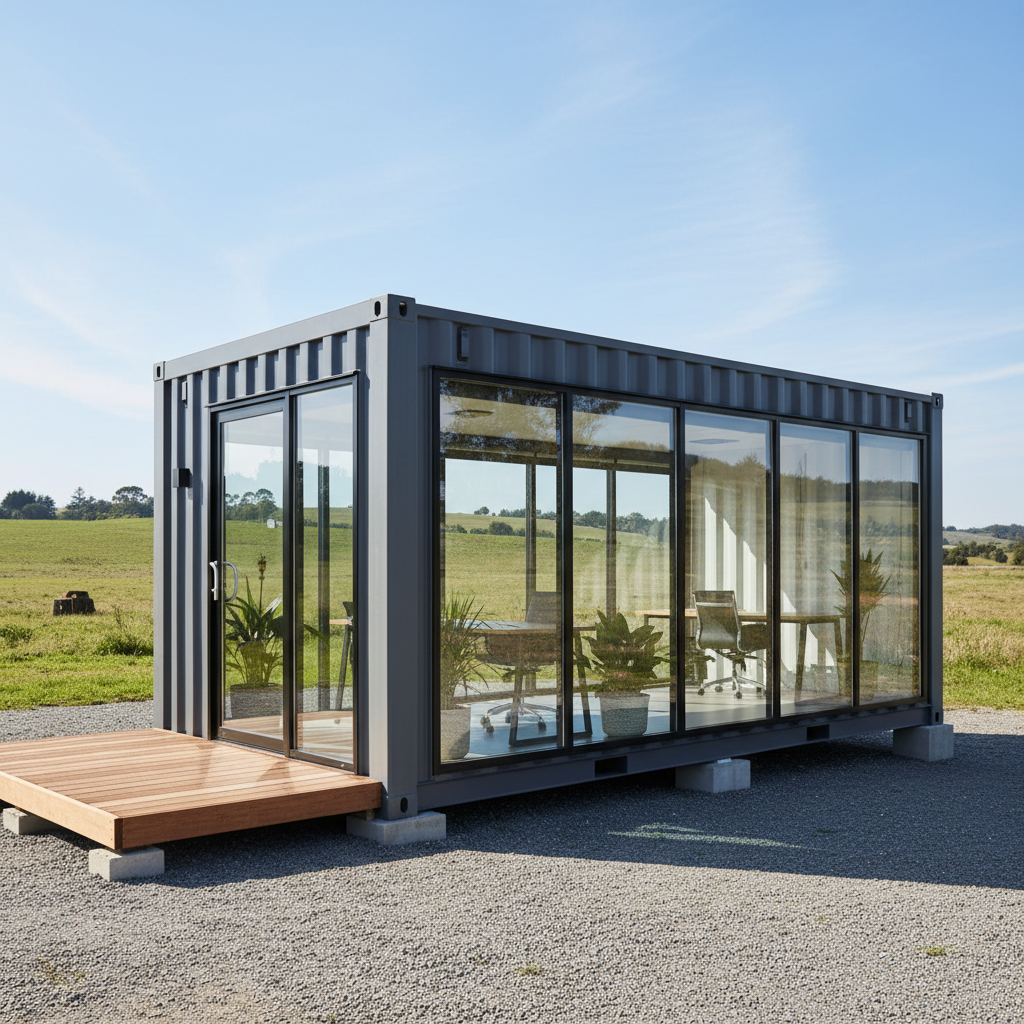
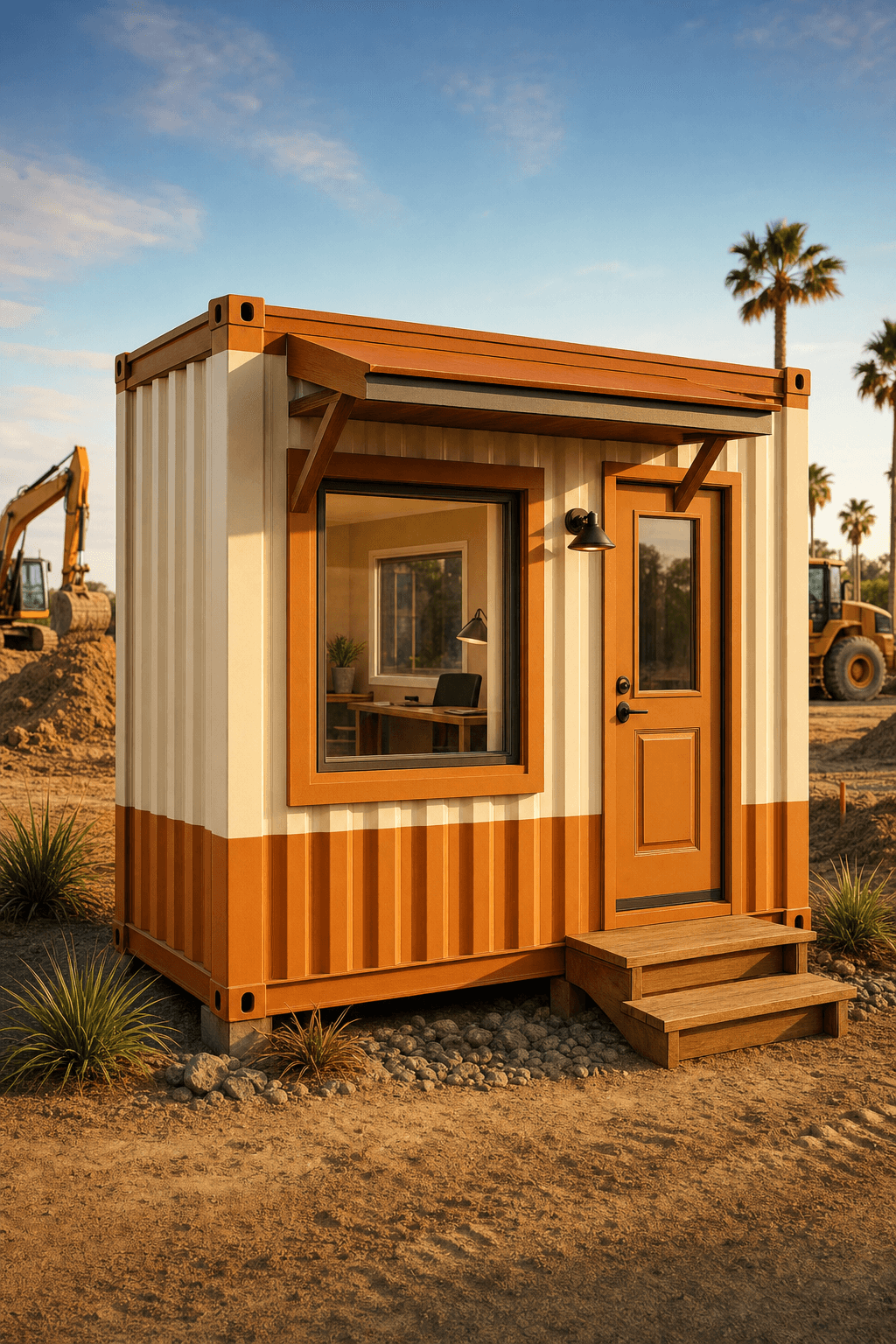
Remodeling containers into retail spaces or site offices requires more than aesthetic upgrades; it demands rigorous structural adherence. When we perform professional container remodeling and repair, we treat every modification as a potential structural point of failure. Cutting openings for windows or doors requires reinforcing the surrounding frame to redistribute the load correctly. For units serving as construction offices in high-wind zones like Miami-Dade, the integrity of the roof and corner posts remains a life-safety issue.
Repairs involving welding or straightening crossmembers must utilize industry-standard Corten steel and specialized welding techniques to prevent the accelerated corrosion common in our coastal environment. Maintaining high standards for shipping container repair and certification South Florida is the only way to ensure a modified unit survives the transition from a static storage box to a mobile commercial asset. While a Wind and Watertight (WWT) grade is often sufficient for stationary backyard storage, anyone intending to relocate their unit frequently across state lines or via maritime freight must maintain Cargo Worthy (CW) status. The difference lies in the understructure; CW units have floor crossmembers and corner castings that meet strict deflection and load-bearing limits.
For fleet owners who utilize depot management and fleet storage, ensuring these structural Maintenance and Repair standards are met during the remodeling phase prevents future compliance failures. A container that loses its structural rigidity during a subpar remodel will fail its periodic inspection, rendering it immobile for logistics. To ensure your modified assets remain both functional and compliant, contact our South Florida team to discuss the specific engineering requirements for your next project.
Finding a Reliable Container Depot in Miami and South Florida
Selecting a partner for shipping container repair and certification South Florida requires evaluating a facility's technical range and geographic placement. A reliable depot must offer more than simple square footage; it should provide integrated depot management and fleet storage alongside on-site professional welding services capable of structural Corten repairs. Logistics costs fluctuate based on transit times, so choosing a depot near Port Everglades or the Port of Miami reduces drayage expenses and keeps your supply chain lean.
Regarding costs, operators should distinguish between surveyor fees and physical labor. While the administration of a CSC renewal involves relatively standard certification fees, the actual repair budget is dictated by the depth of oxidation and the integrity of the understructure. Minor surface rust treatment is cost-effective, but replacing warped crossmembers or damaged corner castings requires specialized equipment and precision. To get a precise estimate based on your unit’s current condition, contact our South Florida team to review your fleet’s specific maintenance needs.
Frequently Asked Questions About Container Certification in Florida
Addressing common inquiries helps owners manage their assets effectively. A primary concern is if containers can be restored once damaged. Shipping containers are remarkably resilient; professional welding and patching using Corten-equivalent steel can return a unit to its original structural strength. If a unit fails a CSC survey, our professional container remodeling and repair services can rectify issues like punctures or warped rails to regain compliance.
Permitting requirements remain a frequent point of confusion. In Florida, the necessity for a permit depends heavily on local zoning and the container’s intended use. Miami-Dade County often classifies containers as permanent structures if they are bolted down or electrified, requiring full building permits. In contrast, parts of Broward County may allow temporary storage units with fewer restrictions. Always verify local municipal codes before delivery.
Regarding timelines, remember that the initial inspection happens five years after manufacture. Following that, the Periodic Examination Scheme requires inspections every 30 months. Staying current with these dates is a cornerstone of effective depot management and fleet storage. If you have specific questions about your unit's status, contact our South Florida team for expert guidance on local regulations and maintenance cycles.
Maintaining the structural integrity and compliance of your shipping container is vital for long-term safety and operational success in South Florida. Regular inspections and timely repairs ensure your cargo remains protected while keeping you in line with industry certifications. If you want expert help managing these technical requirements, our team is ready to assist. You can learn more about our commitment to quality and how we support container owners throughout the region. Ensuring your equipment stays in top shape is much simpler with a dedicated partner by your side.