Soflo Containers provides shipping lines and brokers with managed fleet solutions including secure yard storage, professional maintenance, and strategic inventory handling. These facilities optimize regional logistics by offering specialized repair services and efficient equipment redistribution to support daily shipping operations.
Managing a container fleet in the high-stakes environment of South Florida often feels like a constant race against escalating per diem fees and logistical bottlenecks. For shipping lines and brokers, the challenge is not just finding space; it involves ensuring that every unit remains road-ready and strategically positioned near PortMiami or Port Everglades. Inefficient depot management leads to costly downtime and equipment degradation, which ultimately erodes your bottom line. This article examines why a managed storage solution is essential for modern fleet operations in the South Florida corridor. You will learn how professional depot services optimize fleet readiness through maintenance; how to navigate the complexities of demurrage and detention; and why proximity to regional hubs is a non-negotiable factor for success. We provide the expert oversight needed to transform your storage challenges into a streamlined logistics advantage.
The Strategic Importance of Managed Container Depots in South Florida
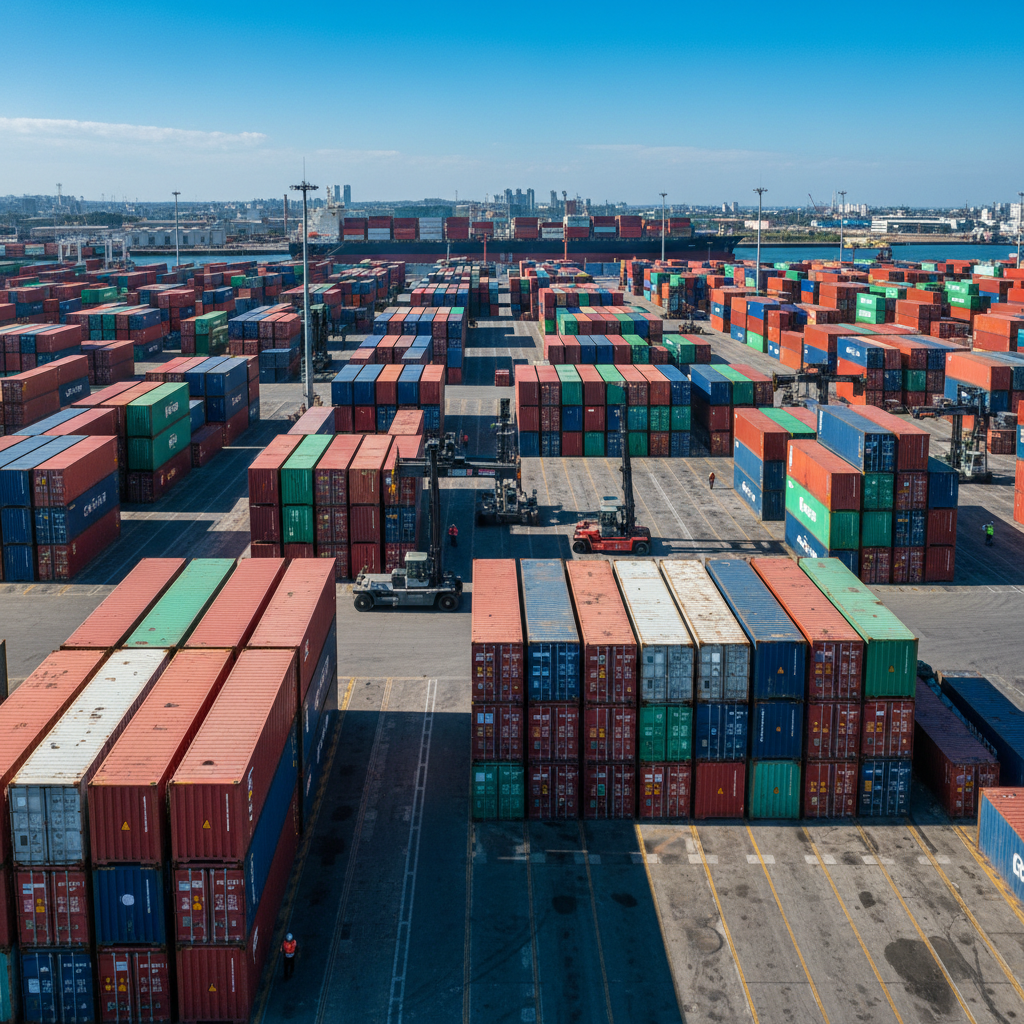
South Florida serves as a pivotal nexus for international commerce, anchored by the massive throughput of PortMiami and Port Everglades. As a primary gateway to Latin America and the Caribbean, the region demands a highly synchronized infrastructure to manage the flow of intermodal assets. Within this ecosystem, Soflo Containers serves as a vital pressure valve, yet many industry professionals confuse basic yard storage with a fully managed depot.
A standard storage yard is passive, offering little more than a secure footprint for idle equipment. In contrast, a managed container depot functions as a critical logistics hub where empty units are actively processed, maintained, and repositioned for their next lifecycle. For shipping lines and Non-Vessel Operating Common Carriers (NVOCCs), this distinction is fundamental to asset utilization. Managed services involve real-time inventory tracking, cargo integration, and fleet accounting, ensuring that every 20-foot and 40-foot unit is accounted for and ready for redeployment.
Beyond simple placement, these facilities act as transshipment facilitators. They bridge the gap between a container's arrival at the port and its next cargo load. By using repair and certification services at the depot level, owners ensure their fleet remains compliant with international standards rather than allowing equipment to deteriorate. This strategic approach transforms a static expense into a dynamic component of the supply chain, facilitating smoother transitions through the high-stakes South Florida trade corridor.
Core Services for Shipping Lines and Logistics Brokers
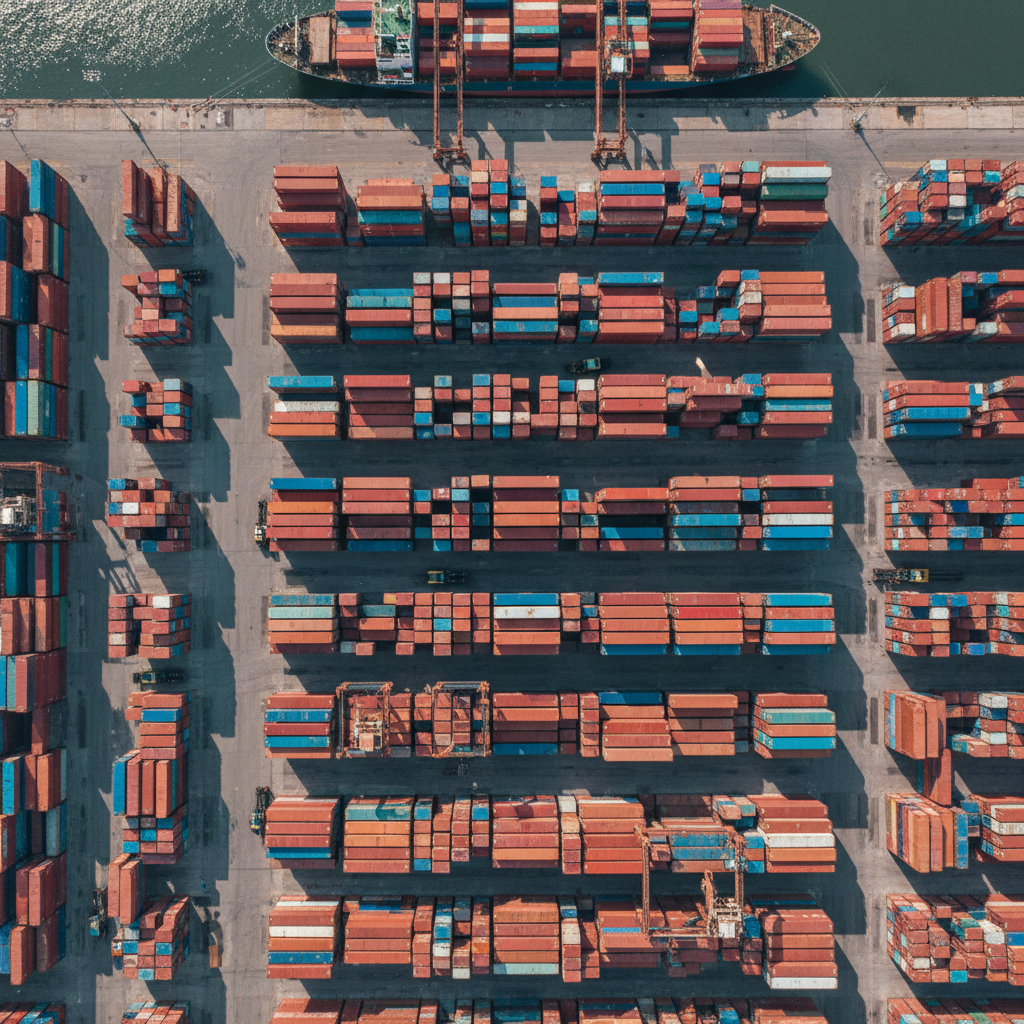
Logistics brokers and shipping lines operate in a high-pressure environment where timing is the difference between profit and loss. Soflo Containers addresses this by offering specialized depot services designed to optimize the movement of intermodal containers. We provide secure storage for both 20 foot and 40 foot units, including standard dry vans and high-cube configurations, ensuring that equipment is readily available for the next booking. By moving assets away from the congested terminals, brokers can manage throughput more effectively and avoid the premium price tags associated with on-dock storage.
Our core service suite extends beyond simple placement. We implement rigorous inventory accounting to provide real-time visibility into fleet status. This level of oversight is essential for fleet redistribution, allowing carriers to pivot assets to the locations with the highest demand. We also function as a transshipment facilitator. By coordinating with drayage providers and regional logistics hubs, we streamline the handoff between ocean carriers and domestic transport. This intermediary role is crucial for NVOCCs that need to balance their equipment pools across various South Florida trade lanes.
Efficiency in a container depot storage facility in South Florida is measured by the speed at which a unit can be inspected and released. Our operational workflow focuses on keeping assets in motion. Instead of letting containers sit idle in high-cost port zones, we bring them to our yard for immediate processing. For units requiring more than just storage, we integrate repair and certification services into the standard depot cycle. This ensures that every container leaving the yard is not just another empty box, but a revenue-ready asset that meets all international shipping standards. Maintaining this level of readiness allows brokers to fulfill orders faster, effectively minimizing the time an asset remains non-productive between off-hire and its next payload.
Understanding the Cost of Storage: Per Diem, Demurrage, and Detention
The efficiency of a container fleet is often measured by the ability to mitigate non-productive costs, specifically those triggered when a unit exceeds its allotted free time. In the high-volume environment of South Florida, understanding the distinction between demurrage and detention is critical for any logistics broker or fleet manager. Demurrage refers to the daily fees charged by the ocean carrier when a container remains inside the port terminal beyond the allowed free time. These charges are intended to prevent port congestion and ensure that dock space remains available for incoming vessels.
Once a container is pulled from the terminal, the clock does not necessarily stop. Detention, often referred to as per diem, occurs when the equipment is held by the shipper or broker outside of the port beyond the agreed-upon return window. Typical daily penalties in the current market vary widely, depending on the carrier and the duration of the delay; costs often start at $75 and can escalate to $350 per day for a single unit. For a broker managing dozens of containers, these fees can rapidly erode a shipment's profitability.
Fee Type | Location | Primary Purpose |
|---|---|---|
Demurrage | Inside the Terminal | Incentivize fast pickup to clear dock space |
Detention | Outside the Terminal | Compensate the carrier for equipment being out of the pool |
Per Diem | Outside the Terminal | Flat daily rate for equipment usage beyond free time |
Utilizing managed container depot storage in South Florida is a strategic financial hedge against these escalating penalties. By moving empty units to a dedicated off-dock facility, brokers can effectively stop the clock on detention fees by returning the equipment to a recognized interchange point. Soflo Containers provides an alternative to the carrier’s high daily rates, offering a stable and predictable cost structure that is a fraction of terminal demurrage or detention penalties.
Furthermore, the ability to transition a unit into repair and certification services while it is staged at the depot adds another layer of cost avoidance. Instead of incurring per diem fees while waiting for a container to be inspected elsewhere, we handle the maintenance on-site. This ensures that the equipment is returned to the carrier’s pool in a condition that avoids dirty return fees or damage claims, further protecting the broker’s bottom line. Strategic storage is not just about space; it is about active capital management in an industry where every day counts.
Fleet Readiness: Repair, Certification, and Maintenance

Managing costs through strategic container depot storage in South Florida is only half of the equation; the physical readiness of the asset determines its actual utility. While many yards act as passive parking lots, a professional depot must function as a technical service center. This proactive approach ensures that containers transition seamlessly from off-hire to the next booking without delays caused by rejection at the loading dock.
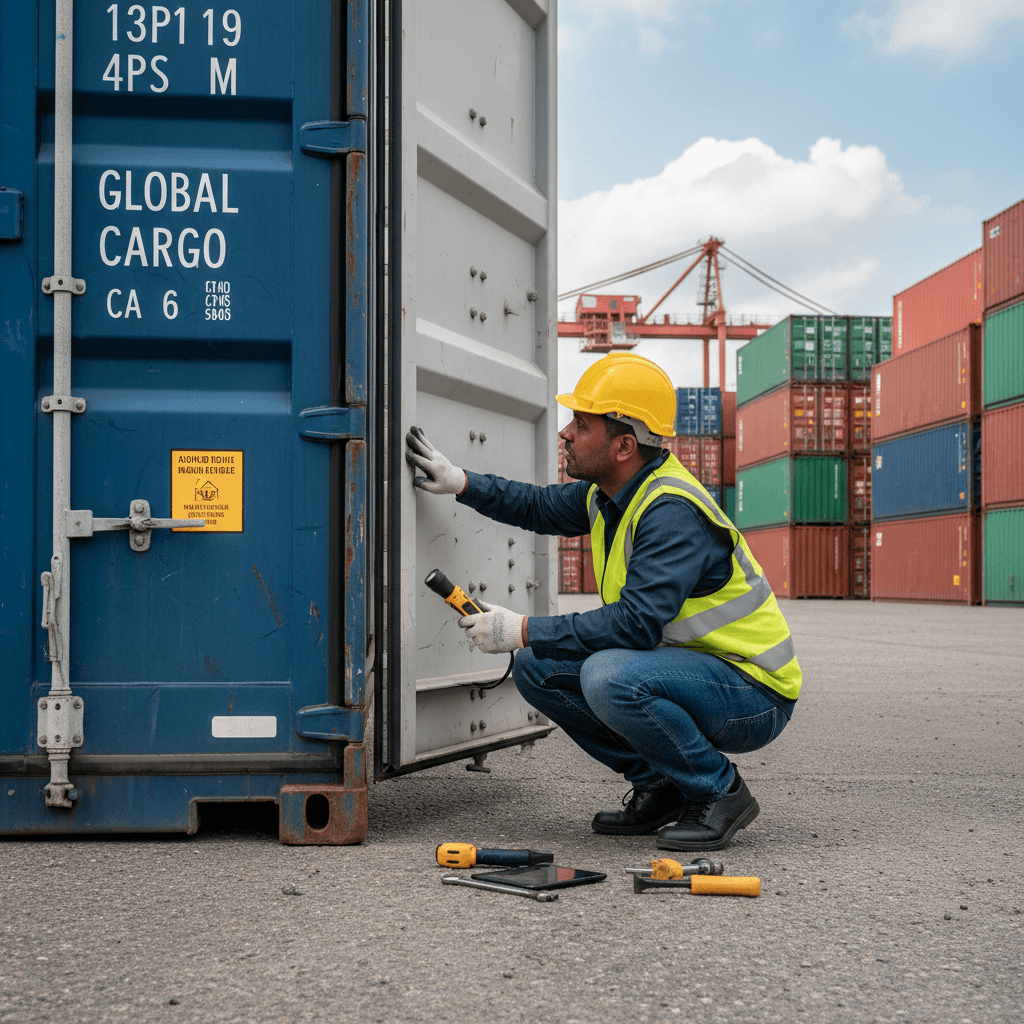
Technical proficiency at the depot level revolves around standardized inspections and certifications. We conduct IICL (Institute of International Container Lessors) inspections to verify structural integrity and ensure that units meet the rigorous safety requirements for international transport. Maintaining current CSC (International Convention for Safe Containers) certifications is non-negotiable for equipment destined for ocean transit.
At Soflo Containers, our repair and certification services focus on two primary standards: Wind and Water Tight (WWT) and Cargo Worthy (CW). Achieving these ratings requires specific technical interventions, such as precision welding to address structural compromises and replacing degraded door seals to prevent moisture ingress. By addressing these issues while the unit is in storage, we eliminate the need for secondary hauling to specialized repair shops. This integrated workflow ensures that every 20-foot or 40-foot unit released from our facility is ready for immediate, high-value deployment.
Proximity to South Florida Ports and Industrial Hubs
The geographic positioning of a facility is a primary determinant of its logistical value. For Soflo Containers, proximity to the region’s industrial core in Medley and Hialeah provides a distinct tactical advantage. These municipalities function as the primary staging grounds for freight moving through PortMiami and Port Everglades. By maintaining a depot within this tight radius, shipping lines and brokers significantly reduce drayage distances. When the transit between the port terminal and the storage yard is minimized, fuel consumption drops and driver hours are optimized, directly lowering the per-unit operational cost for the carrier.
Access and infrastructure are equally critical in high-volume corridors. Unlike informal storage lots that may lack proper grading, lighting, or specialized equipment, a professional depot offers streamlined entry and exit points designed for heavy-duty carriers. This prevents the bottlenecks and logistical friction often found in improvised facilities. Furthermore, the security of a professional facility protects high-value intermodal assets from unauthorized access or environmental damage while they await deployment. Integrating these units into our repair and certification services while they are staged near the ports allows for rapid turnaround times. This strategic placement ensures that equipment is never far from the next point of demand, whether that involves local distribution or immediate repositioning for certified container sales within the Miami industrial hub.
Value Added Services: From Depot Storage to Custom Modification

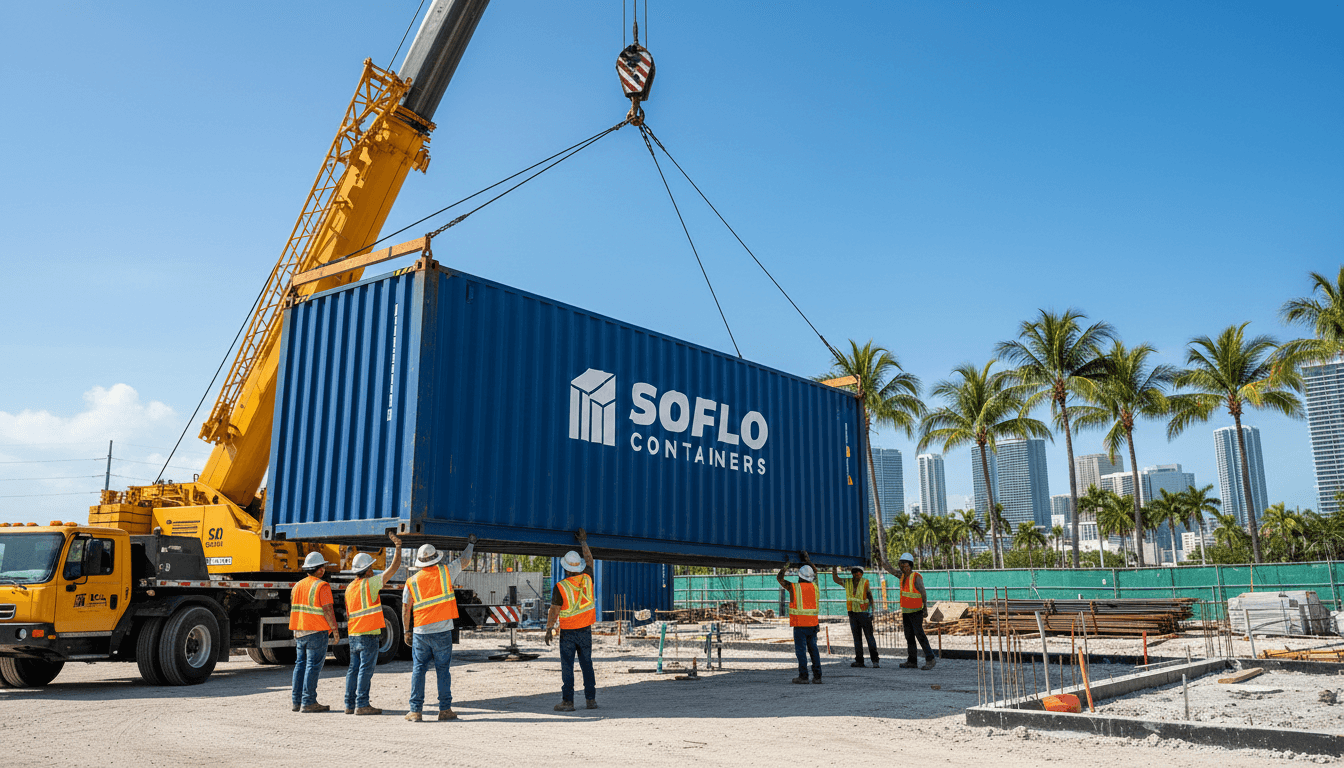
The primary differentiator for Soflo Containers is our ability to bridge logistics and construction. Most container depot storage facilities in South Florida are limited to handling equipment for its next sea voyage. At our Miami facility, we offer an integrated pipeline in which a unit can move directly from the storage fleet to our on-site fabrication shop. This capability is particularly valuable for shipping lines and brokers managing aging assets. When a 20-foot or 40-foot container reaches the end of its viable shipping life, it often experiences a steep decline in value as it transitions to the scrap or basic storage market.
We pivot these assets toward a higher utility through professional container remodeling. By repurposing retired shipping units into fully finished construction offices, pop-up commercial spaces, or secure on-site mobile workshops, we significantly increase the equipment's salvage value. This vertical integration allows brokers to liquidate fleet inventory locally while capturing the margins associated with specialized structures. Instead of incurring additional transport costs to move a retired unit to a third-party fabricator, the transformation happens where the asset is already staged. This seamless transition from depot management to certified container sales ensures that no asset sits idle, regardless of its maritime certification status.
Managing a container fleet in South Florida requires more than just space. It demands strategic coordination and consistent oversight. By prioritizing efficient storage and depot solutions, shipping lines can significantly reduce operational downtime and logistics costs. While these systems can be handled internally, the complexities often benefit from a dedicated partner. If you want expert help optimizing your South Florida operations, you can read more about our approach to managed fleet solutions. We focus on providing seamless support tailored to your specific business needs.