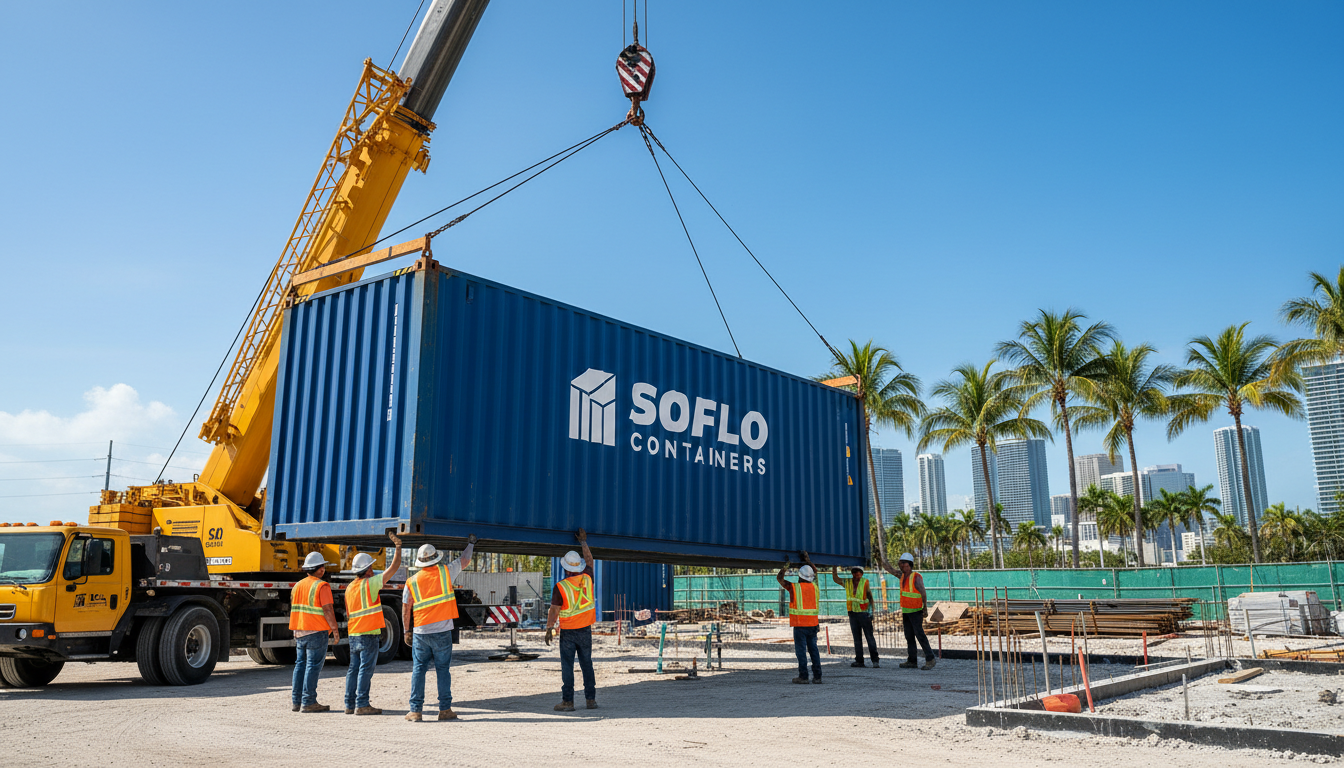
Selecting the best shipping containers for sale South Florida requires evaluating the unit's structural integrity, size, and intended use to ensure it meets local climate demands. Buyers should prioritize inspecting containers for rust or damage and choosing a reputable supplier that offers reliable delivery services throughout the region. This process guarantees a durable storage or building solution that withstands the humid coastal environment effectively.
Finding the right shipping container in South Florida is often more complex than it looks. Many buyers struggle with unreliable vendors and the unique challenges posed by our humid, coastal environment; a simple purchase can quickly turn into a costly mistake. Whether you are launching a modular commercial space or expanding secure industrial storage, the structural integrity of your steel determines the ultimate success of your project. This guide provides the practical expertise you need to navigate the local market with confidence. You will learn how to select between 20ft and 40ft High Cube options, how to decipher professional container grades, and what specific signs of wear to look for during a physical inspection. We also cover the logistical essentials to ensure your site is prepared for a seamless delivery.
Navigating the South Florida Shipping Container Market
South Florida is currently seeing an unprecedented surge in demand for shipping containers. In Miami and the surrounding coastal cities, these steel structures are no longer strictly reserved for international freight. They have become the preferred choice for hurricane resistant construction offices, modular residential dwellings, and high end retail pop ups. However, navigating this market requires more than just a quick search for shipping containers for sale South Florida. You must understand the nuances of the local supply chain to avoid costly mistakes.
A container that appears sound in a grainy online photo can often hide catastrophic structural issues, such as thinning Corten steel from salt air corrosion or compromised corner castings. Choosing the wrong unit does more than just waste capital; it can lead to failed building inspections or complete structural failure when subjected to Florida’s intense wind loads. At Soflo Containers, we operate at the intersection of logistics and construction. Our expertise in container sales and depot management ensures that every unit we source meets rigorous standards. Because we also specialize in professional remodeling, we understand the specific structural requirements needed to turn a raw box into a functional, permitted space. We provide the local insight necessary to avoid the common pitfalls of the regional market, ensuring your investment is both durable and compliant.
Step 1: Define Your Intended Use for the Container
The first step in your procurement process is determining exactly how the unit will serve you, as this choice dictates the grade of steel and the level of wear you can tolerate. For simple storage applications, such as securing job site equipment or dry retail inventory, a Wind and Water Tight (WWT) unit is typically the most cost effective solution. These containers are retired from international shipping but are guaranteed to be free of holes, keeping contents protected from the elements.
However, when sourcing shipping containers for sale South Florida for high level professional remodeling projects, such as a backyard ADU or a modern sales office, the standards shift significantly. In these instances, you should prioritize One-Trip or Cargo Worthy (CWO) units. One-Trip containers are essentially new, having only traveled once across the ocean, which means they lack the structural fatigue and unsightly dings of older boxes. This pristine condition is vital when you intend to apply interior finishes, as straight walls make framing and insulation much more efficient.
South Florida’s unique climate also plays a critical role in your selection. Our high humidity levels can lead to container rain, or internal condensation, if the unit is not properly managed. For habitable conversions, choosing a higher grade unit allows for easier integration of high quality ventilation systems and HVAC ducting. A lower grade, heavily dented unit may have compromised structural points that make moisture control nearly impossible. Defining your use case early ensures that our team can assist with container sales that align with your long term functional goals rather than just your immediate budget.
Step 2: Choosing the Right Size: 20ft, 40ft, and High Cube Options

Selecting the correct footprint is a matter of both spatial availability and logistics. In many urban Miami neighborhoods, a 20 foot container is the most viable option due to its maneuverability in tight residential lots. For larger scale commercial storage or industrial housing, a 40 foot unit provides double the volume and is generally more cost efficient per square foot.
Container Type | External Length | External Width | External Height | Internal Height (Approx.) |
|---|---|---|---|---|
20ft Standard | 20' | 8' | 8'6" | 7'10" |
40ft Standard | 40' | 8' | 8'6" | 7'10" |
40ft High Cube | 40' | 8' | 9'6" | 8'10" |
For anyone browsing shipping containers for sale South Florida for professional remodeling, the High Cube (HC) variant is almost always the superior choice. Standard units offer an external height of 8 feet 6 inches, but High Cubes provide an additional foot, bringing the total to 9 feet 6 inches. This extra vertical clearance is a technical necessity for South Florida habitable spaces. Because our climate demands thick rigid foam insulation and robust HVAC ducting to combat high humidity, a standard unit often results in a cramped 7 foot finished ceiling. A High Cube allows our team to install necessary mechanical systems while maintaining a comfortable, standard ceiling height. When we handle container sales for residential or office conversions, we advise clients to account for this vertical loss during the planning phase to ensure the final structure feels open and functional.
Step 3: Deciphering Container Conditions and Grades
Understanding the nomenclature used in the industry prevents you from overpaying for a unit that does not meet your technical needs. When browsing shipping containers for sale South Florida, you will encounter four primary classifications that dictate both price and utility.
Grade | Condition | Best Use Case |
|---|---|---|
One-Trip | Near-mint; single ocean voyage. | Professional remodeling, high-end offices, ADUs. |
Cargo Worthy (CWO) | Inspected and certified for shipping. | International transport, structural modifications. |
Wind and Water Tight (WWT) | Retired from sea; weather-proof. | Secure dry storage, inventory overflow. |
As-Is | Damaged; may have leaks or dents. | Scrap, low-value storage, or parts. |
One-Trip units are the gold standard for residential and commercial conversions. These containers arrive in pristine condition, lacking the floor gouges or heavy interior odors found in older units. Cargo Worthy (CWO) containers have seen more service but are certified by a maritime surveyor to be structurally sound. Wind and Water Tight (WWT) units are typically 10 to 15 years old; while no longer certified for ocean freight, they remain sealed against the elements. As-Is units often have structural defects like punctured roofs or compromised rails and should generally be avoided for habitable projects.
Every certified unit carries a CSC (International Convention for Safe Containers) plate. This small metal plaque, usually bolted to the left door, acts as the container's birth certificate and safety record. It contains data on the manufacture date, gross weight, and stacking strength. If you intend to use your container for export or require proof of structural integrity for local Miami building permits, the CSC plate is a technical requirement for our container sales team to verify.
In our coastal environment, distinguishing between surface oxidation and structural rust is critical. Corten steel is designed to form a protective layer of surface rust that prevents deeper corrosion. However, if the steel is flaking, pitted, or scaling, the structural integrity is compromised. Our depot management process includes a rigorous inspection to ensure that surface patina never masks deeper structural thinning, a common risk for units stored near high-salinity air in South Florida.
The South Florida Inspection Checklist: What to Look For
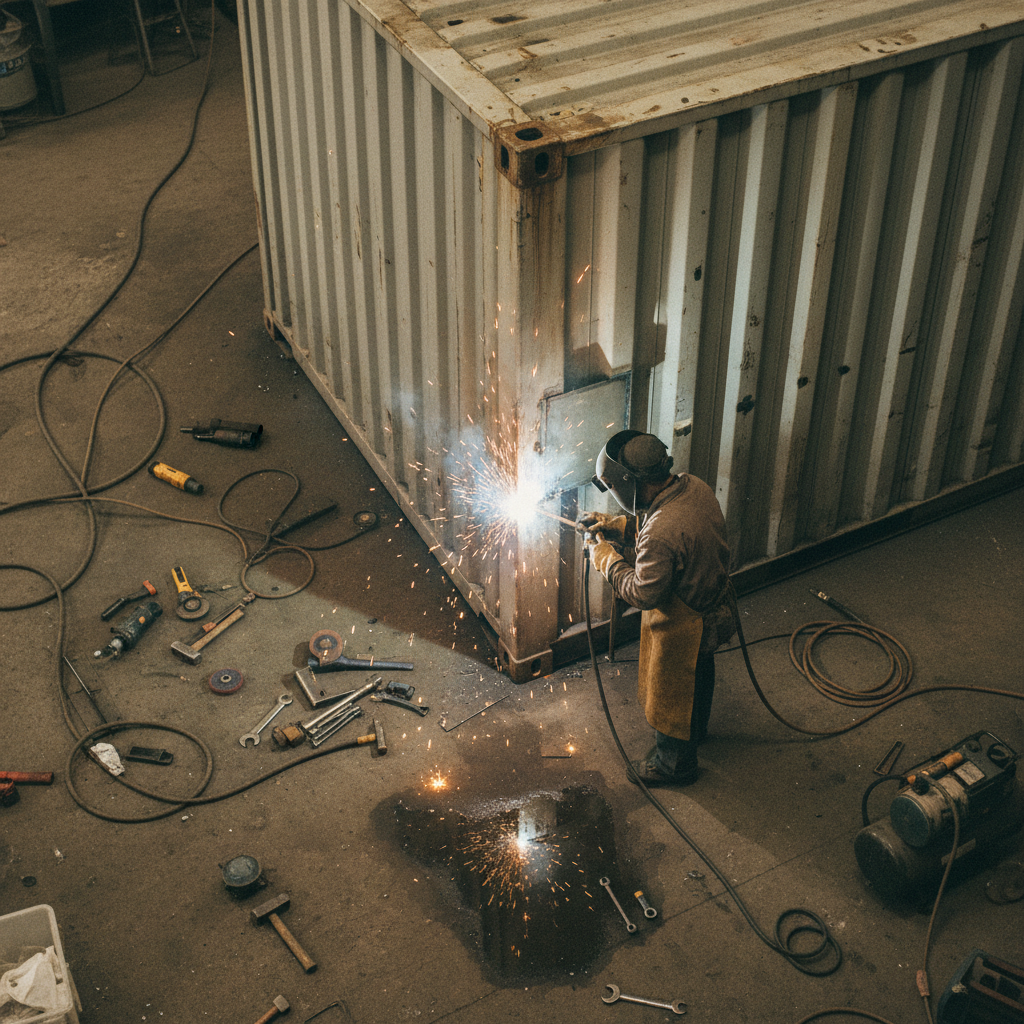
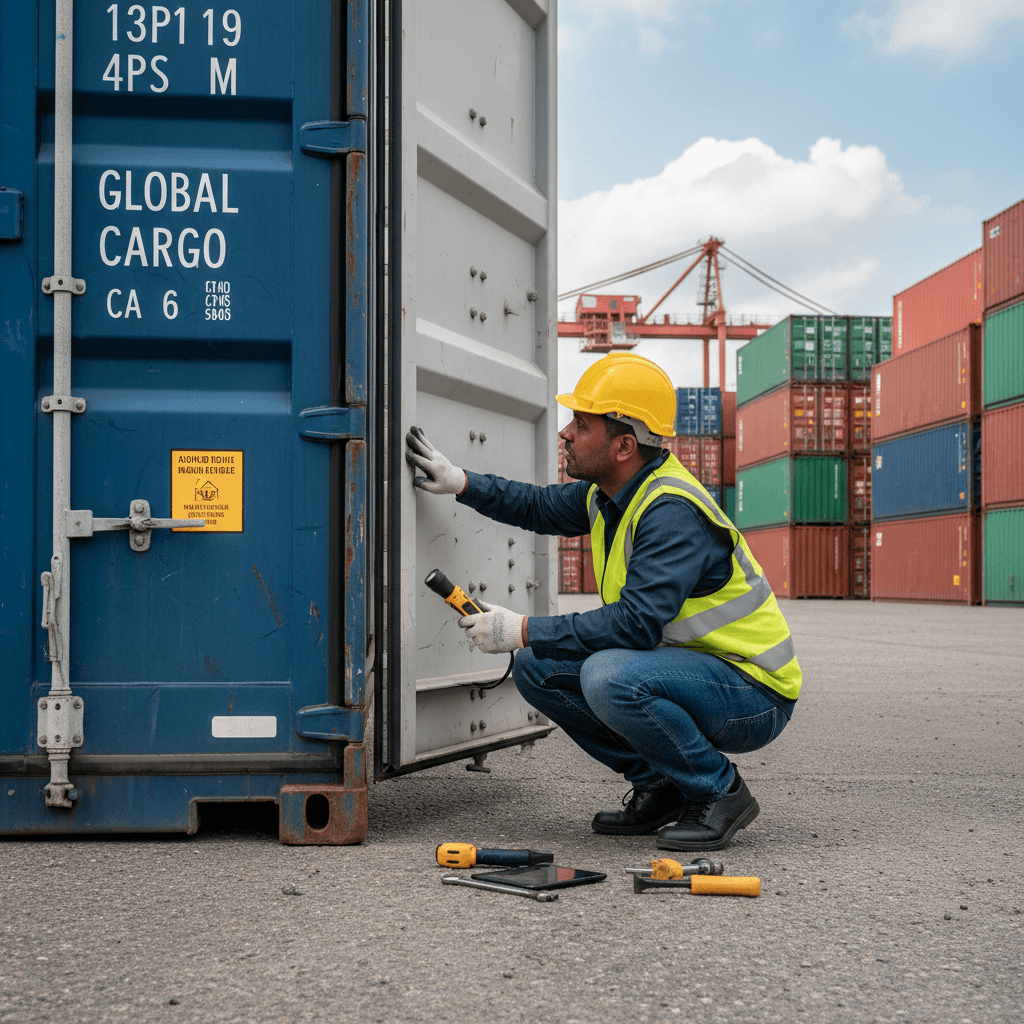
Identifying a high quality unit goes beyond checking the paperwork. When evaluating shipping containers for sale South Florida, you must perform a hands-on inspection to ensure the unit can withstand the local climate and meet your specific project requirements.
Door Seals and Gaskets: The intense South Florida sun and high humidity are notorious for drying out rubber components. Inspect the gaskets around the door frame for cracking, brittleness, or gaps. If the seal is compromised, moisture will seep in, leading to internal rust and mold. Ensure the doors swing freely; if they stick or require excessive force, the frame may be racked or the hinges may have seized from salt air exposure.
Floor Integrity: Container floors are typically constructed from 1 1/8 inch marine grade plywood. Check for delamination, where the wood layers begin to separate, or soft spots that indicate structural rot. Look for heavy, dark chemical staining. Because these floors are treated with industrial pesticides during manufacture, units with deep stains should be avoided for professional remodeling projects where indoor air quality is paramount.
The Light Leak Test: This is the most reliable method to identify pinholes in the Corten steel. Step inside the container, have someone close the doors completely, and wait for your eyes to adjust to the darkness. If you see points of daylight peeking through the roof or side panels, the container is no longer wind and water tight.
Interior Odors: Containers often transport industrial goods, spices, or chemicals. A strong, lingering smell of fuel, pesticides, or organic rot is difficult to neutralize and will permeate new finishes. For clients pursuing container sales for office or residential use, selecting a neutral smelling unit is non negotiable. Our depot management protocols involve screening for these sensory failures to ensure every unit is fit for its intended purpose.
Considering Remodeling: From Shell to Finished Structure
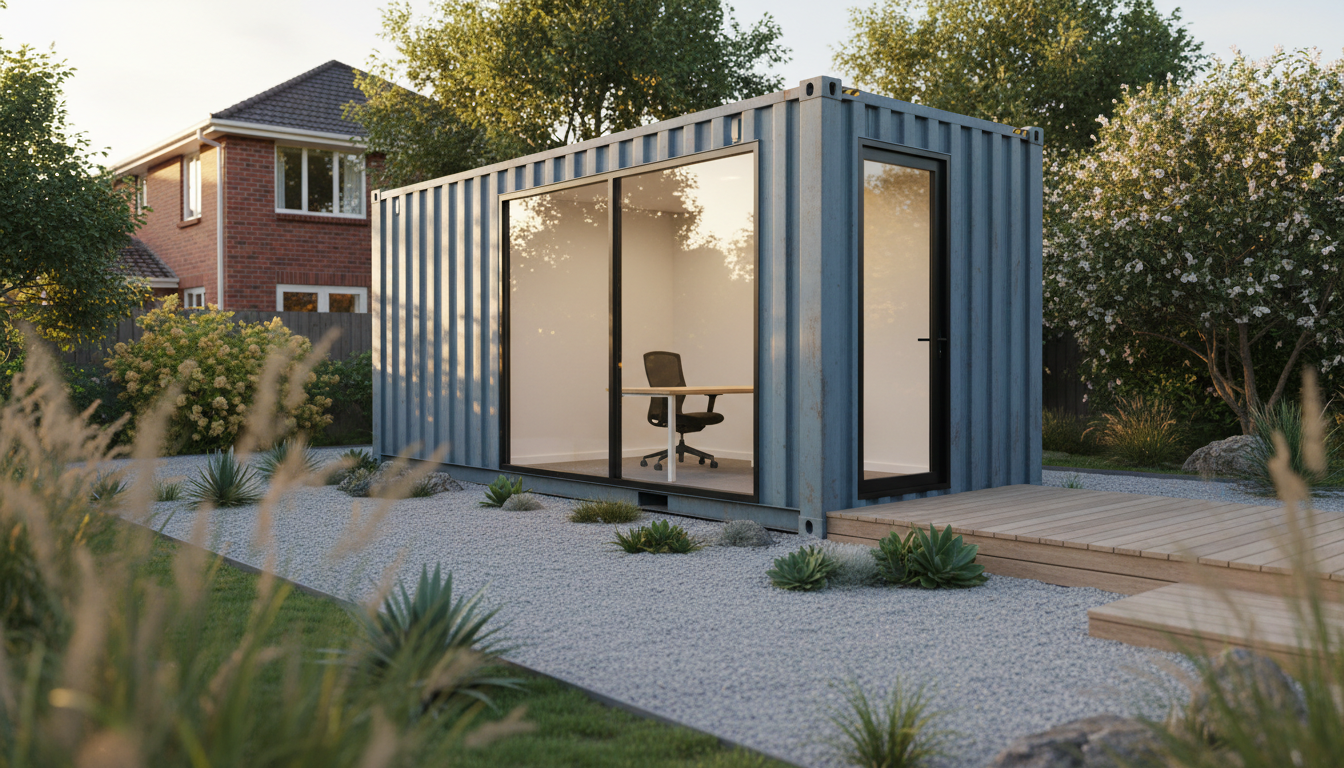
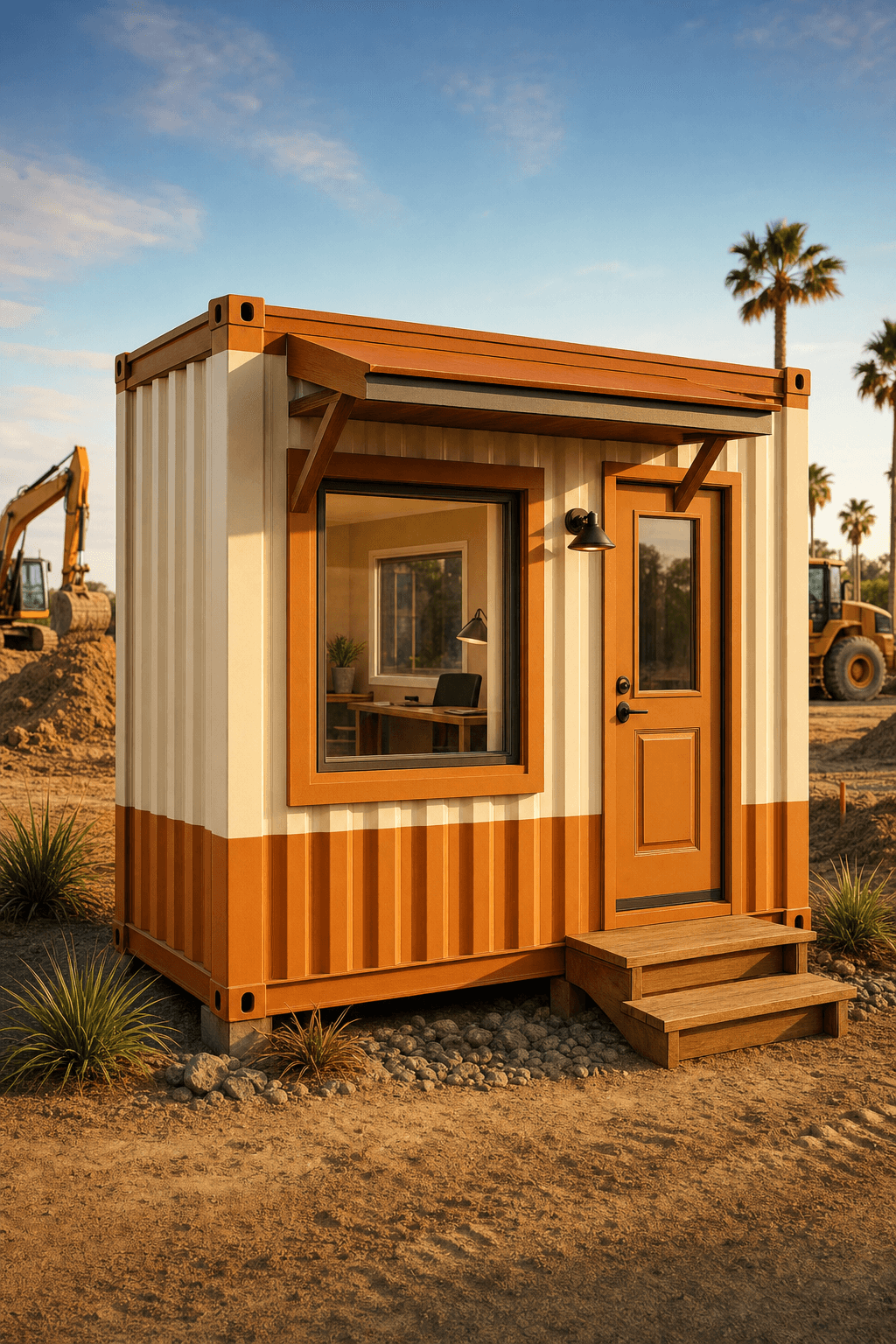
A raw shipping container is essentially a modular skeleton, but converting it into a climate controlled construction office or a residential ADU requires high level engineering. At Soflo Containers, we take these industrial shells and execute professional remodeling that adheres to Florida’s strict building codes. This process begins with precise structural reinforcements. When you cut through Corten steel to install floor to ceiling windows or personnel doors, you are removing a portion of the load bearing capacity inherent in the corrugated walls. We mitigate this by welding heavy gauge steel tube frames around every opening; this ensures the unit remains rigid during transport and stays wind rated for our local hurricane zones.
Success in these builds often depends on the quality of the base unit. Selecting from our depot management inventory ensures a superior starting point compared to buying from a secondary middleman. Because we manage the depot, we hand select units that are free from floor warping or excessive racking. A perfectly square unit is significantly easier to frame and plumb, which reduces labor costs during the interior finishing phase. By integrating container sales with our fabrication expertise, we provide a streamlined path from procuring shipping containers for sale South Florida to delivering a fully realized, permit ready structure.
Logistics and Delivery: Preparing Your South Florida Site
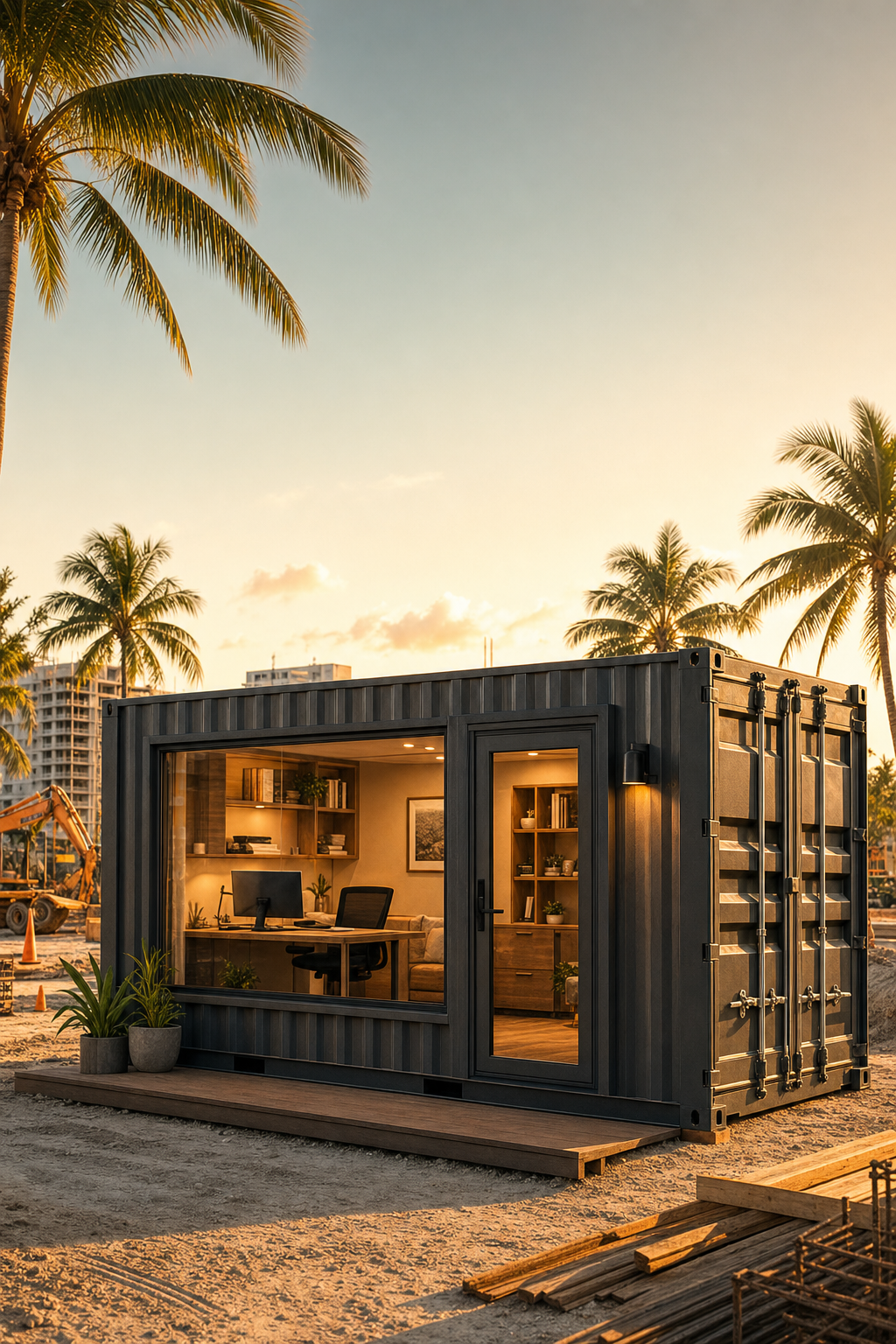
Successful delivery of shipping containers for sale South Florida depends on meticulous site preparation. In Miami, the high water table and sandy soil make level ground critical. You should install concrete pads or a compacted gravel base to prevent the unit from sinking or racking over time.
Logistics providers typically utilize tilt-bed trucks, requiring a straight line clearance of 60 to 100 feet depending on the unit size. Before finalizing container sales, verify local municipal codes. Cities like Fort Lauderdale and Miami Beach often require specific permits for permanent placement or professional remodeling structures. Our depot management team coordinates these logistics to ensure the site is accessible and compliant before the truck arrives.