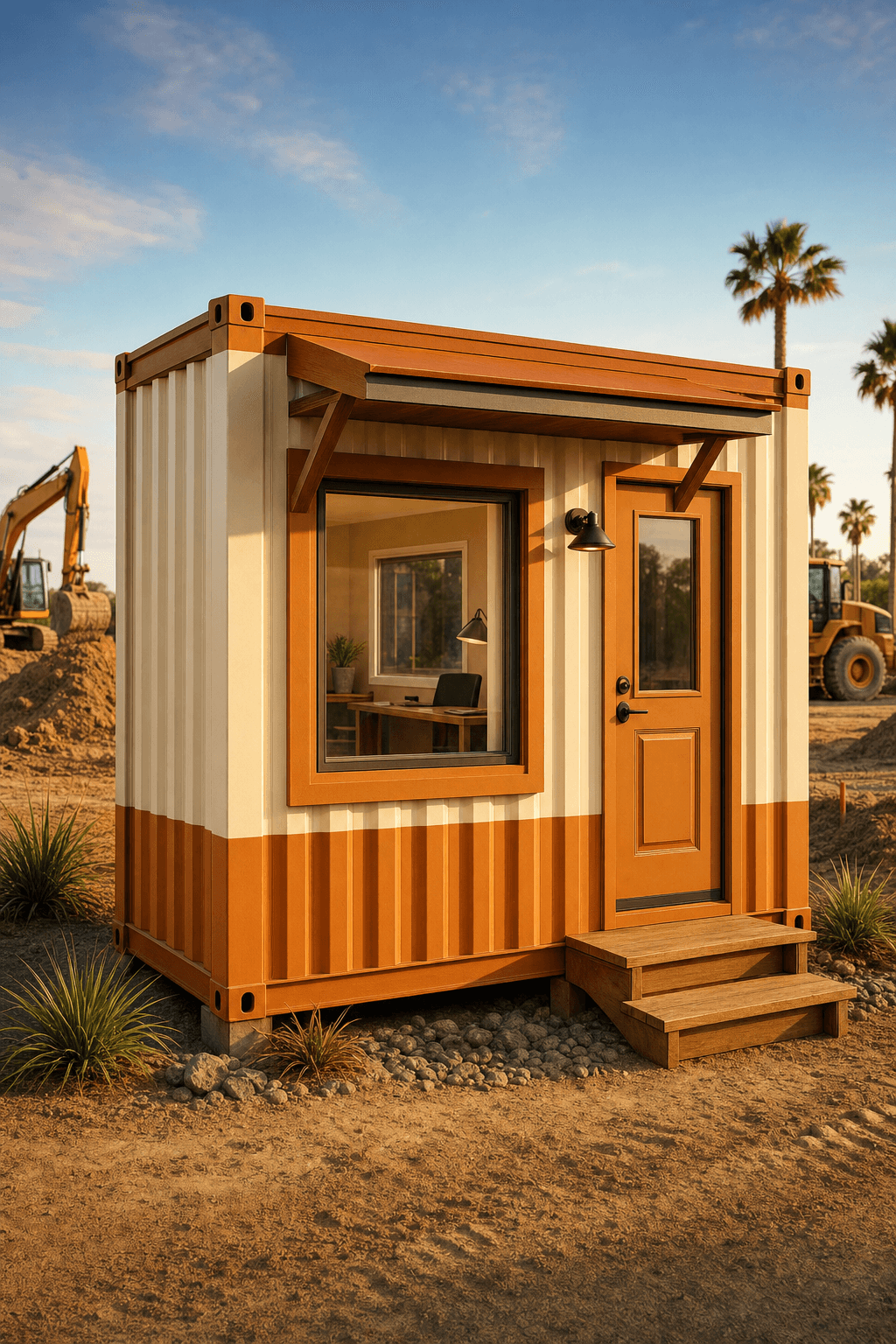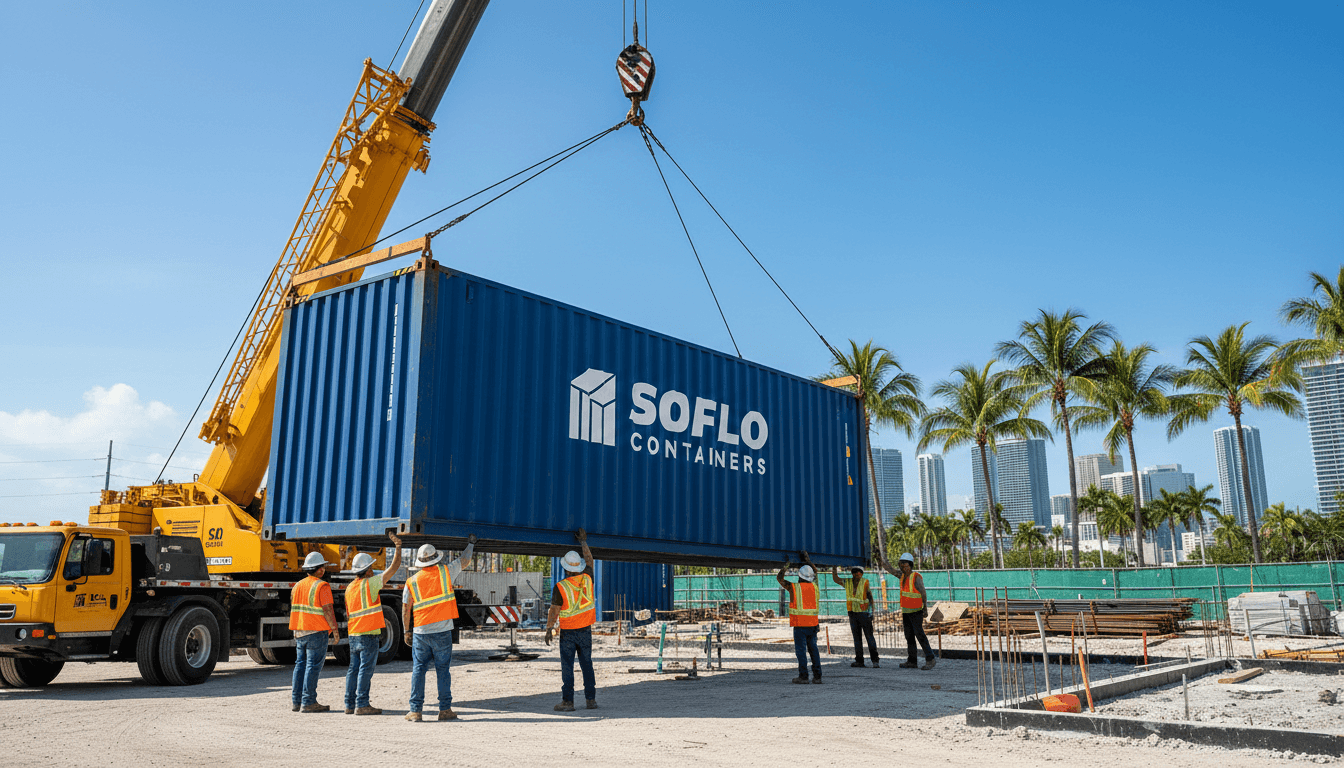
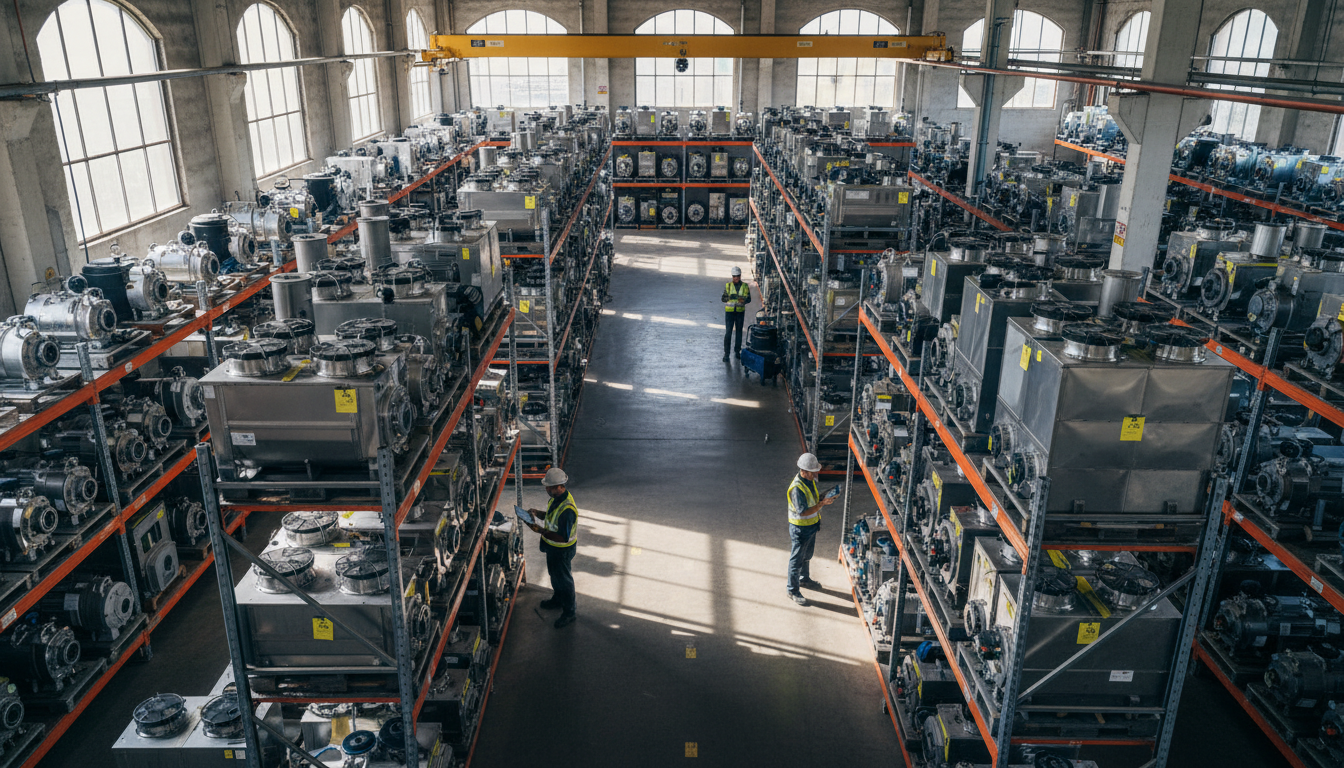
A custom shipping container generator enclosure protects backup power and BESS from extreme tropical weather through durable, sound-attenuated, weatherproof steel, with integrated cooling and security built for coastal climates.
In coastal and tropical regions, uptime depends on defending against salt air, hurricanes, and humidity. Here, a shipping container enclosure offers the best balance of structural strength and flexibility for generators and battery energy storage systems (BESS).
Why Businesses Choose Shipping Containers for Power Protection
In hurricane-prone areas, lightweight aluminum generator enclosures are often too weak for high-velocity wind zones along the Gulf Coast, the Atlantic Seaboard, and the Caribbean. Heavy debris and extreme pressure demand the mass of steel.
That is why sites prefer COR-TEN weathering steel, which resists physical damage and the accelerated oxidation common on the coast. Housed in a container, both diesel generators and BESS gain a modular, scalable, and secure footprint that aluminum cannot match. Our professional remodeling team accounts for the heat and humidity that threaten sensitive electrical components.
The Strategic Benefits of a Shipping Container Generator Enclosure
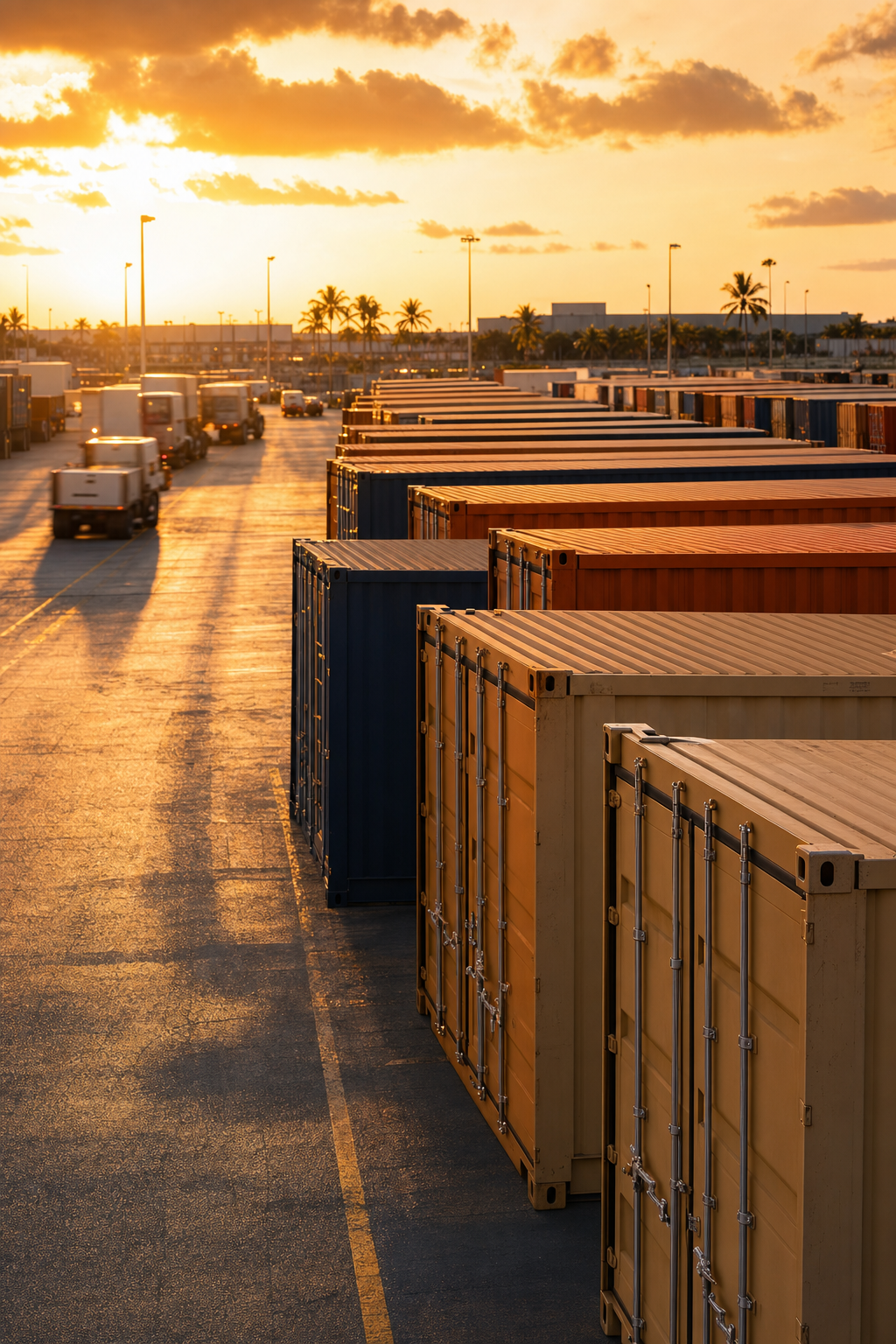
The advantages come down to three pillars - security, durability, and modularity. Steel ISO walls deter theft and fit high-security lockboxes, while a containerized unit moves easily from project to project with standard logistics equipment.
Remodeled enclosures also cut lead times. A concrete block building needs months of on-site work and permitting, but a modified container arrives as a ready-to-deploy solution - useful before hurricane season peaks.
Essential Features for Generator Enclosures in Humid Climates
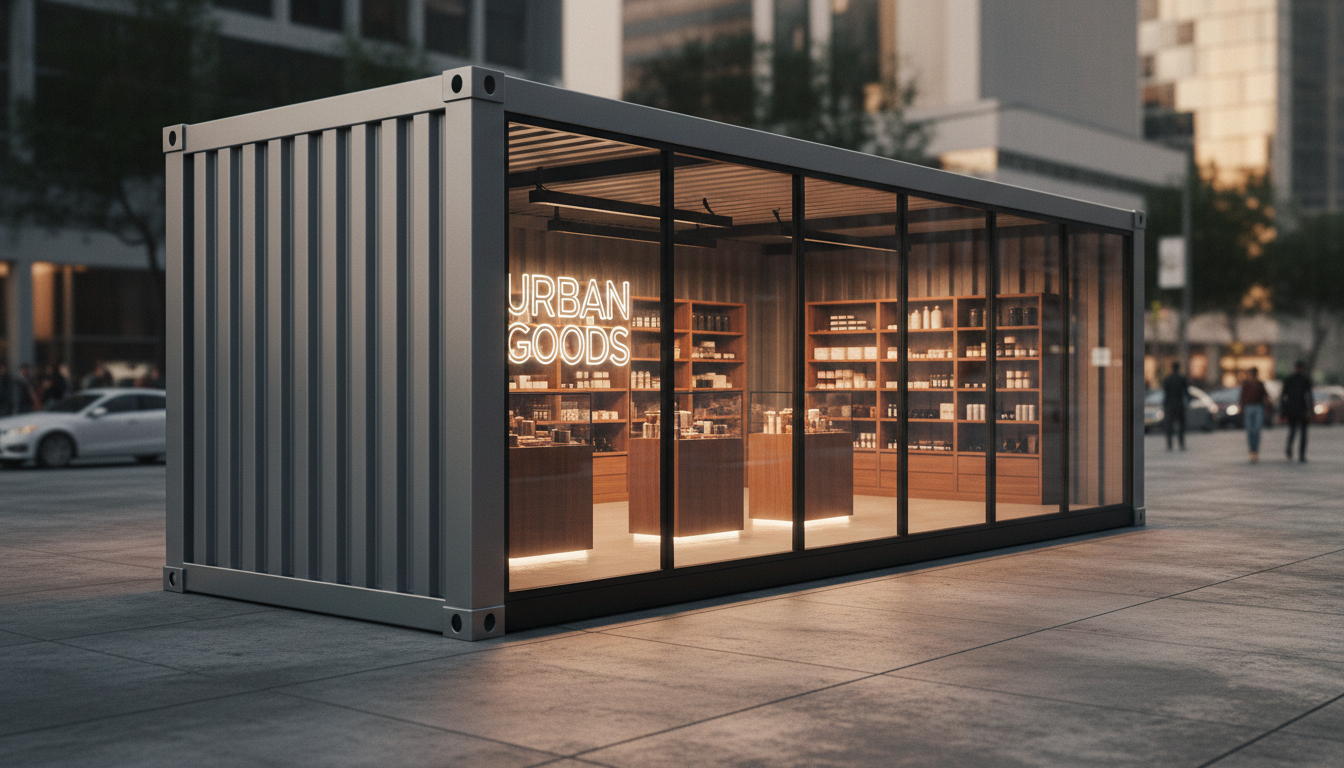
Enclosing a generator safely requires precise engineering and clearance for airflow, maintenance, and fire safety. Without it, a confined unit risks overheating and carbon monoxide buildup.
In southern and tropical heat, passive ventilation is rarely enough. High-flow louvers and industrial exhaust fans sized to the unit's output keep engines inside their safe range and prevent shutdowns exactly when power is needed most.
Near residential zones, sound attenuation matters. We line walls and ceilings with non-combustible mineral wool behind perforated metal to absorb the low-frequency rumble of a heavy diesel engine and meet local noise rules.
Protecting Battery Energy Storage Systems (BESS) in Tropical Climates
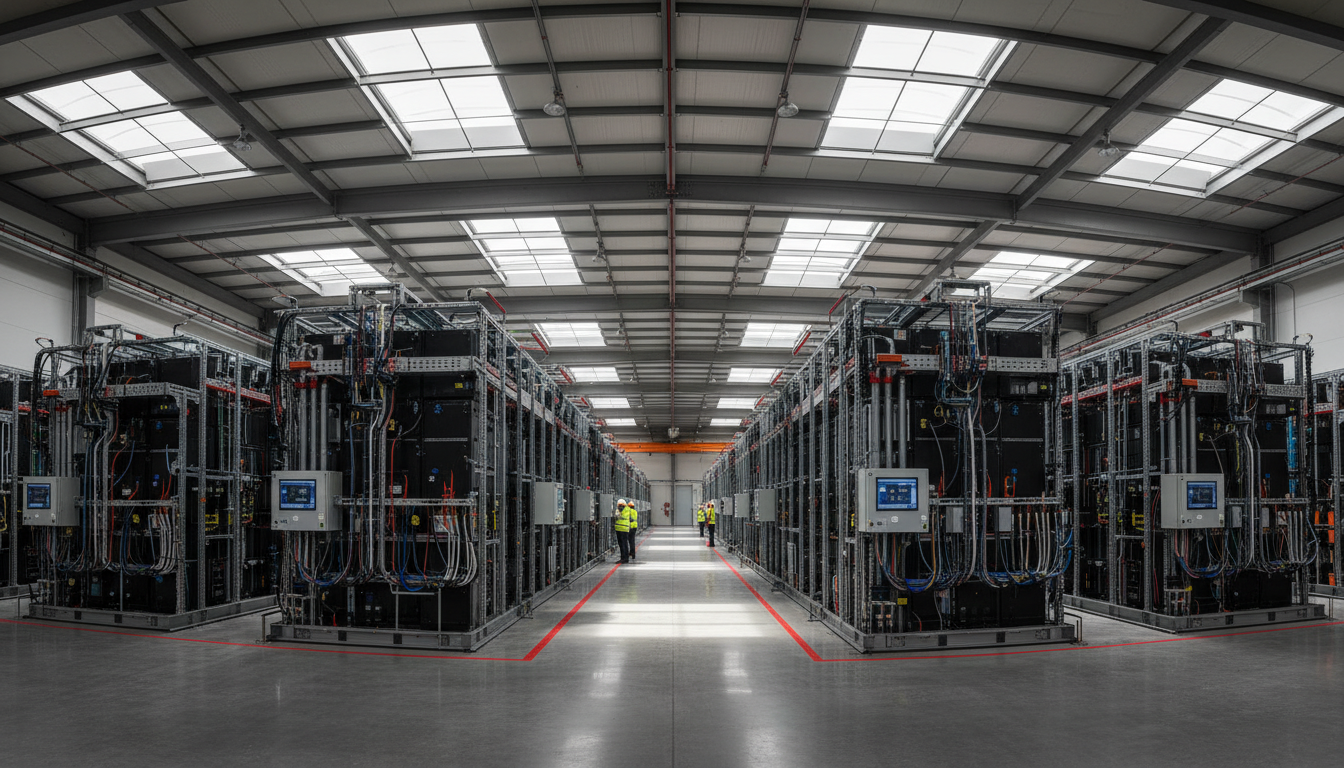
Battery Energy Storage Systems need tighter climate control than generators. Lithium-ion batteries are sensitive to heat, which cuts their cycle life, and to humidity, which can cause condensation and short circuits.
So BESS units get precision HVAC instead of simple fans, holding a steady temperature regardless of solar load, backed by high R-value spray foam for insulation.
Fire safety also changes for lithium-ion. We use clean agent or aerosol suppression that extinguish flames without harming electronics, plus hydrogen detection and explosion relief panels to meet safety codes.
Hurricane Proofing and Corrosion Resistance for Coastal Sites
On salt-air coasts, corrosion is the top threat. Marine-grade epoxy and zinc-rich primers form a chemical barrier against chlorides, preserving containers for a twenty-year service life.
Wind loads matter too. Our remodeling reinforces louvers and doors to strict High Velocity Hurricane Zone standards, including steel stiffeners built to withstand gusts above 150 mph.
Heavy generators also need structural upgrades: reinforced floor framing to hold engine and fuel weight, and corner-casting tie-downs to keep the unit anchored to a concrete pad.
Custom Modifications for Commercial and Industrial Sites
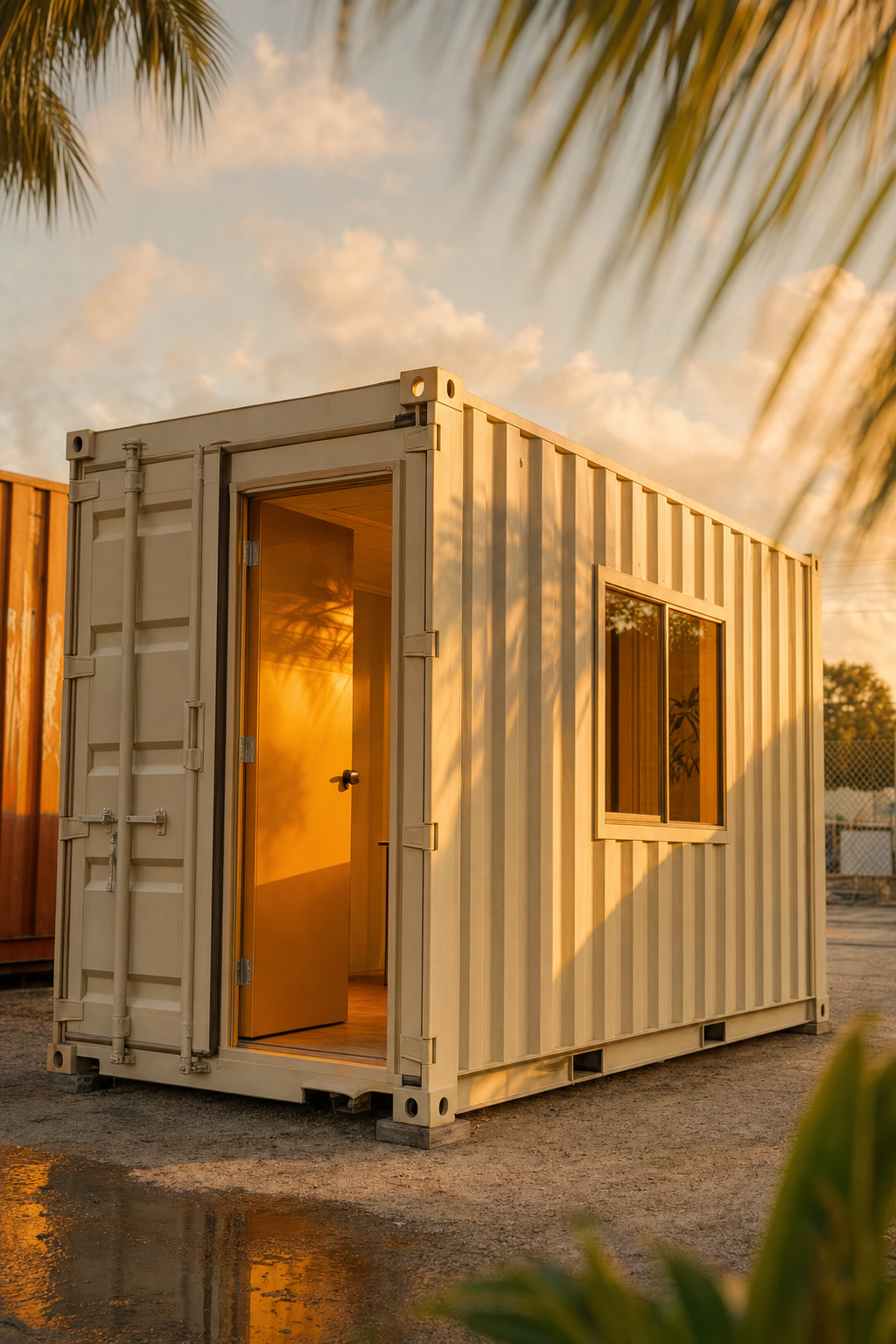
A working generator enclosure starts with accessibility - industrial doors with panic bars for safety and roll-up doors for major maintenance without removing the unit.
Larger projects can split a 40-foot shell into a sound-dampened generator room plus a climate-controlled control room, keeping everything in one secure, portable footprint.
Navigating Permitting and Safety Compliance
Deploying an enclosure means clearing local ordinances and codes, especially around structural strength in high-wind events. Because modular containers are often treated as equipment rather than permanent construction, they can compress the permitting timeline.
Keep strict setbacks and clear access for emergency crews, and build in emergency shut-offs and fire suppression. To review your area's specific requirements, contact Soflo Containers.
Against harsh coastal and tropical conditions, a custom container keeps generators and BESS protected and portable. For help with your next project, learn more about our team and our container-modification experience.